Norway: Oslo

The old Posthallen building

We stayed in an apartment in the old Posthallen building (former post office). Beautiful marble entry floors and stairs that are clearly old and well maintained. There are 200 or so apartments in the building with halls like dormitory hallways with no windows, with the overhead lights turning on as you approach a section. Our apartment was small and filled with light from large sliding doors that opened on to a balcony; we could see other apartments across the courtyard and the roof top shared space garden.

View from the roof garden over to our apartment
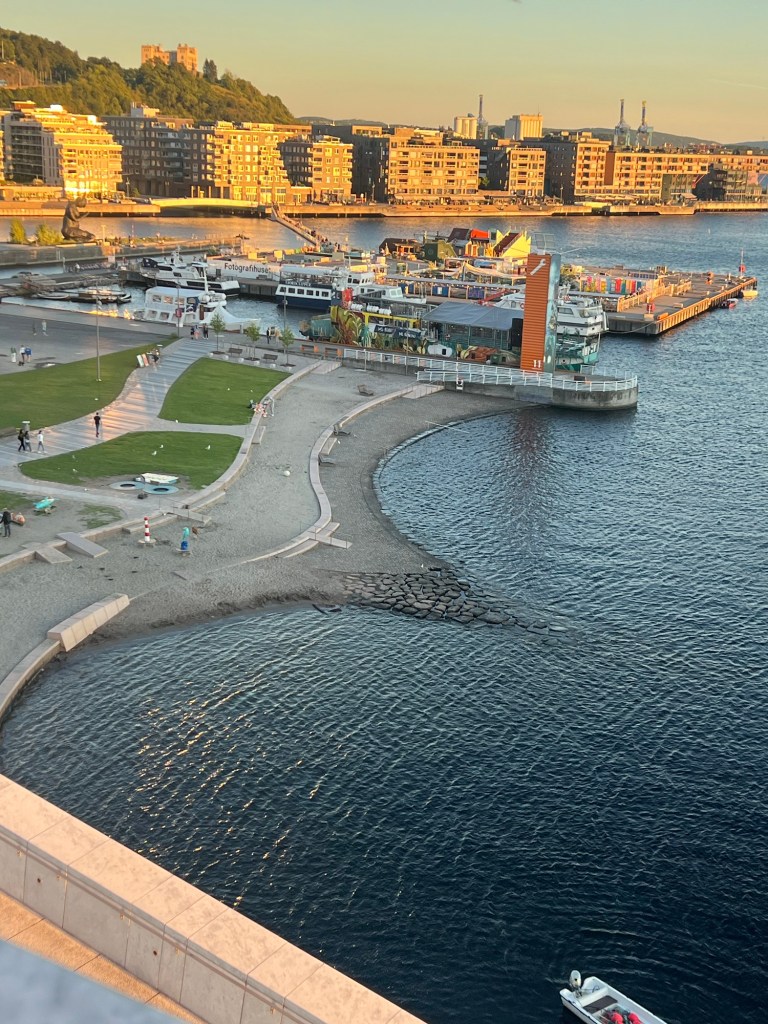
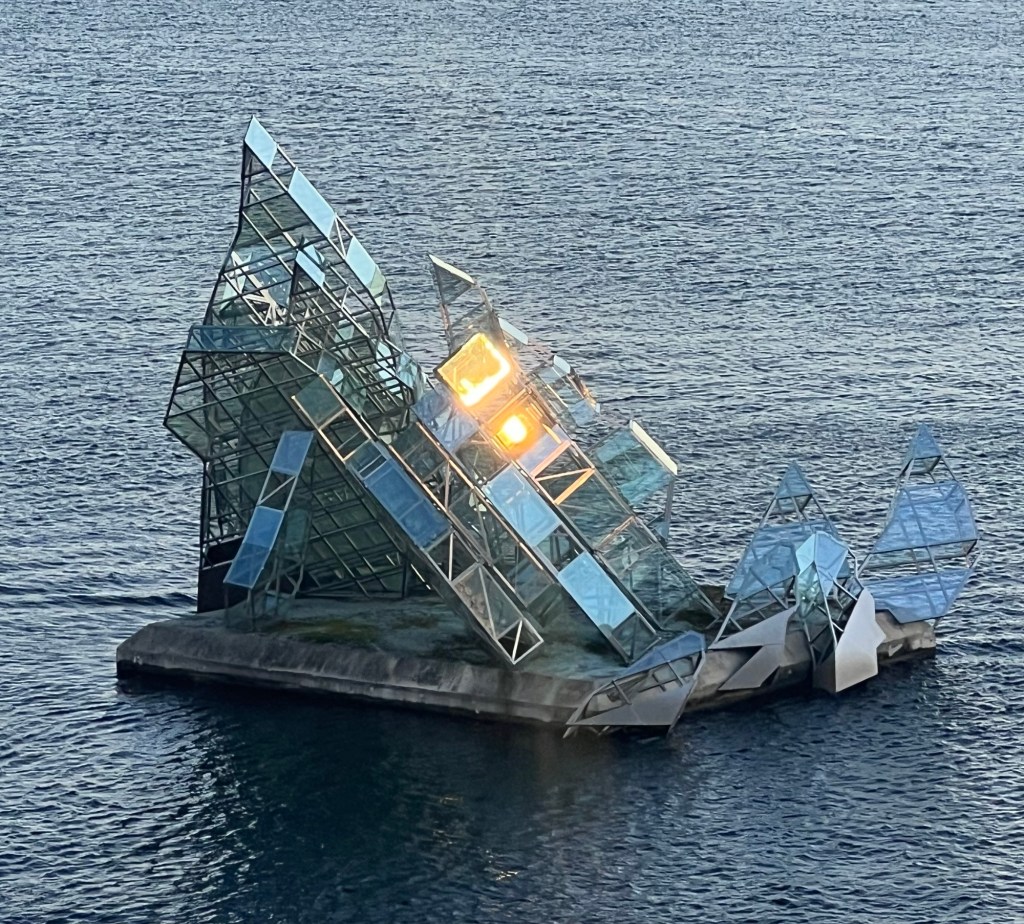
Stainless steel and glass sculpture titled “She Lies” in Oslo Harbor.

Oslo is a busy city especially around the major tourist sights. It felt a little overwhelming at first on a sunny Sunday afternoon with people crowding sidewalks taking photos everywhere. So we rented the Oslo City bikes and cruised away to some of the lesser known sights along cool shady streets. And, we got on a boat to see some of the waterfront from the water.
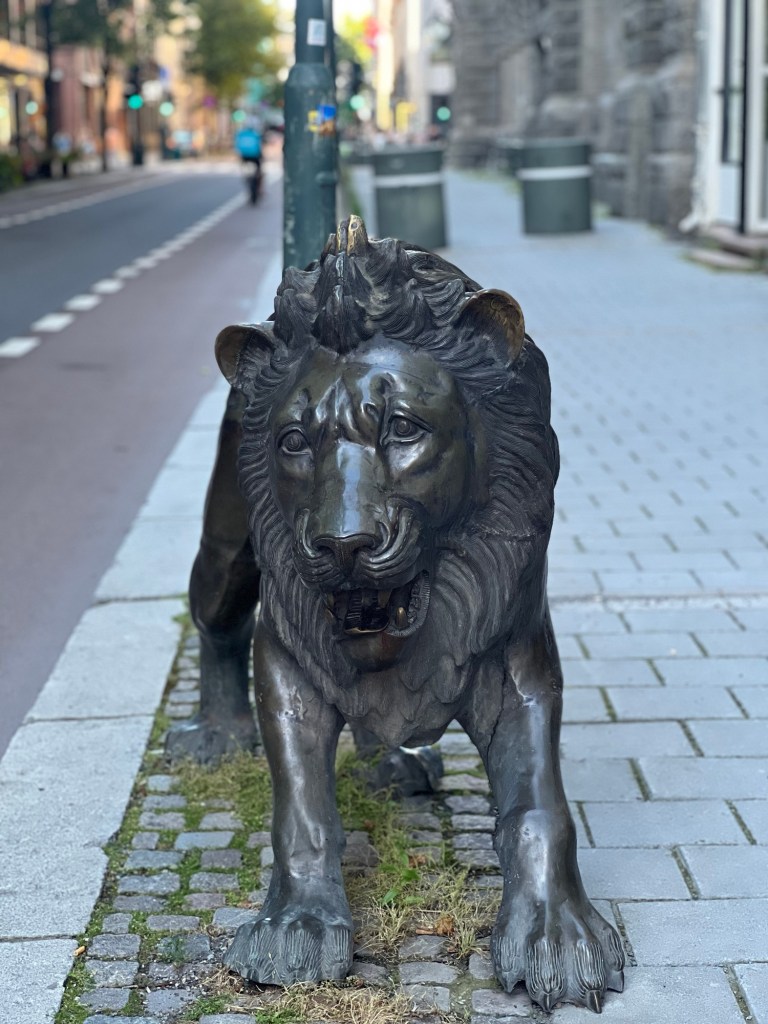
One of 2 lions on a side street
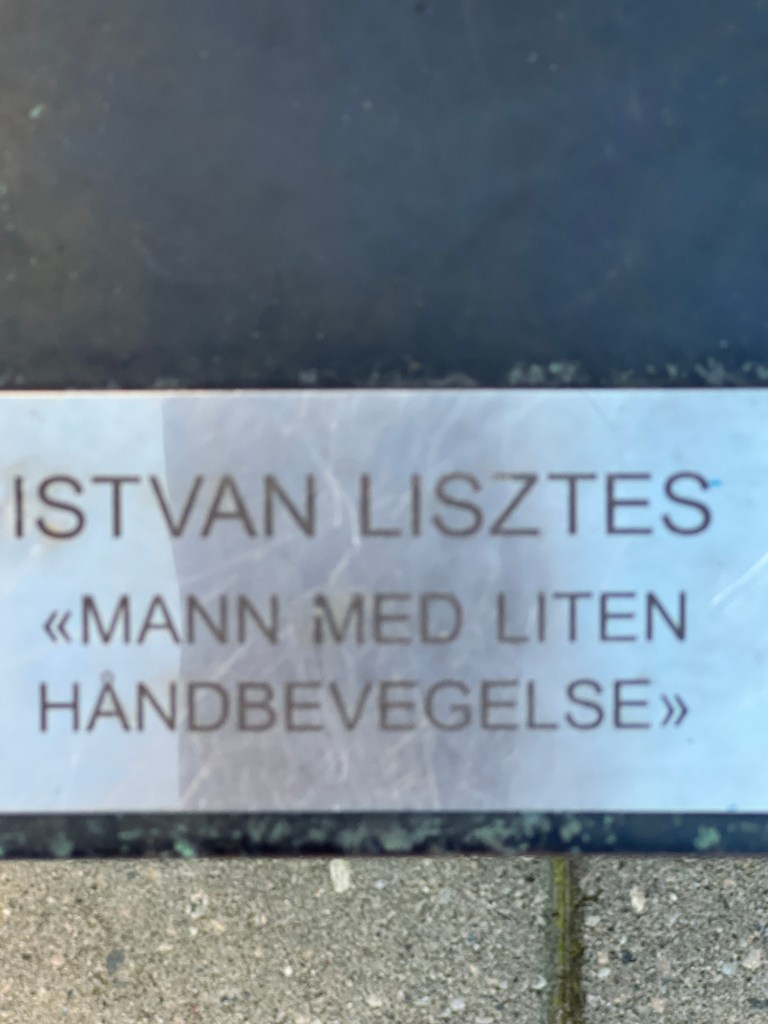
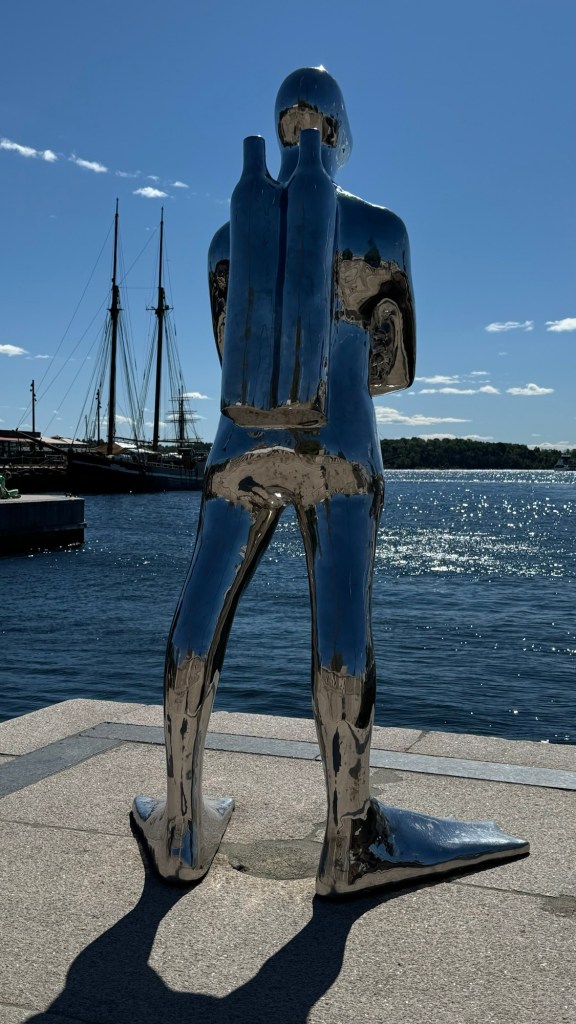
Shiny diver figure on the waterfront
Partial view of Oslo City hall
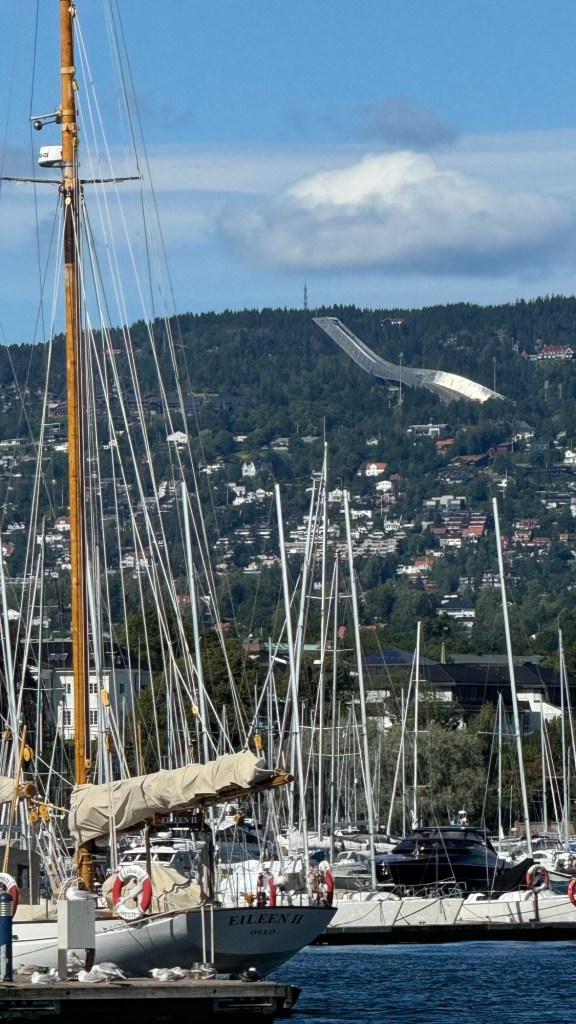
View from the water looking up to the Holmenkollen Ski Museum and Tower

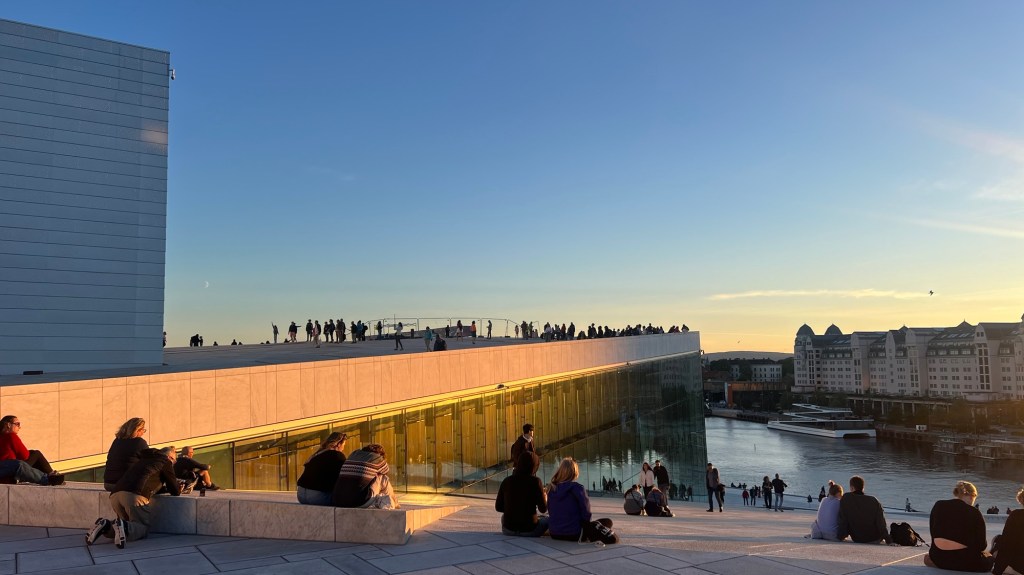
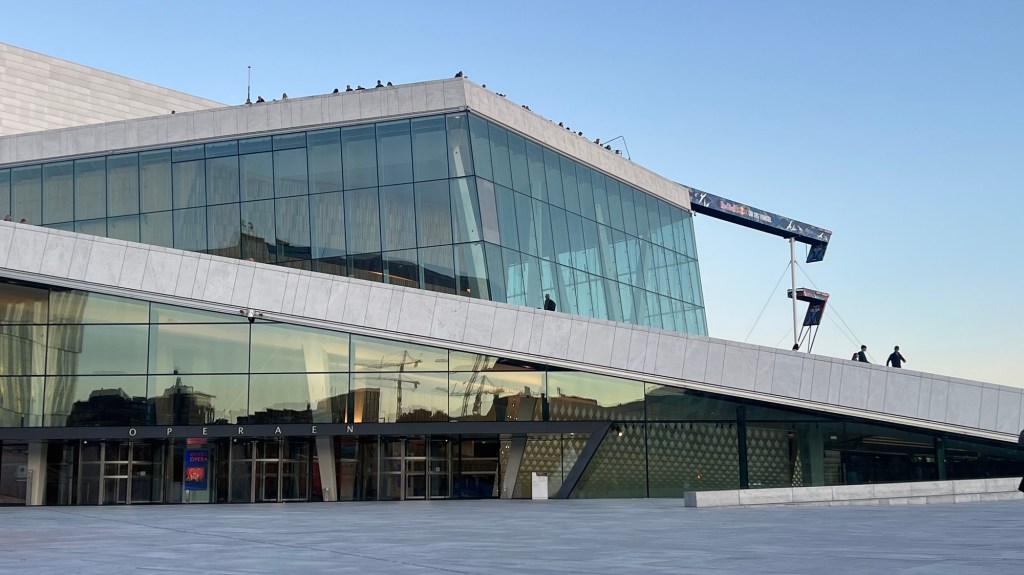
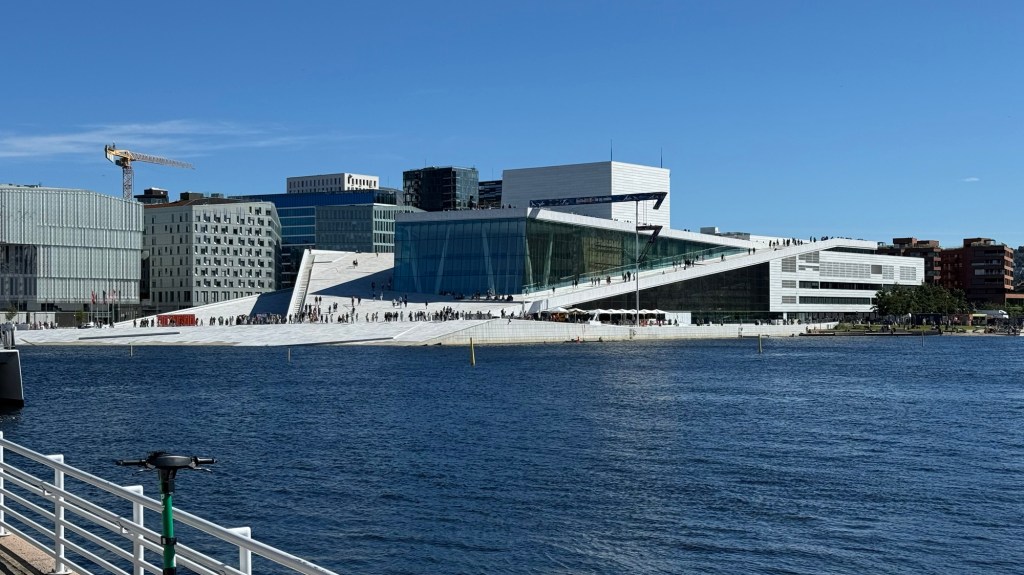
I really want to make it up to see that ski museum on our next visit; they have a ski jump simulator! There were loads of sailboats and cruises crisscrossing the harbor. We took in the sights and enjoyed the breeze, surprised at how warm it was walking or biking around. After dinner outdoors at a nice little restaurant, we made our way back to the Oslo Opera House to climb the steep slopes and watch the sunset with many other people.
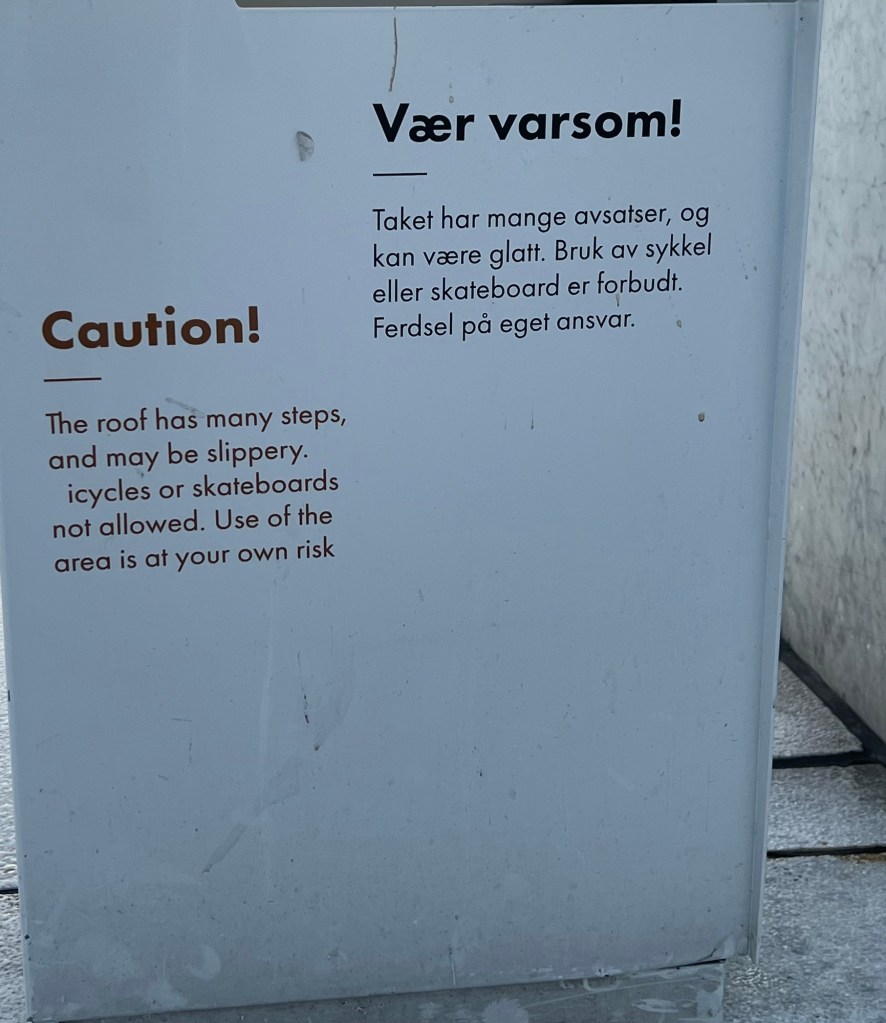
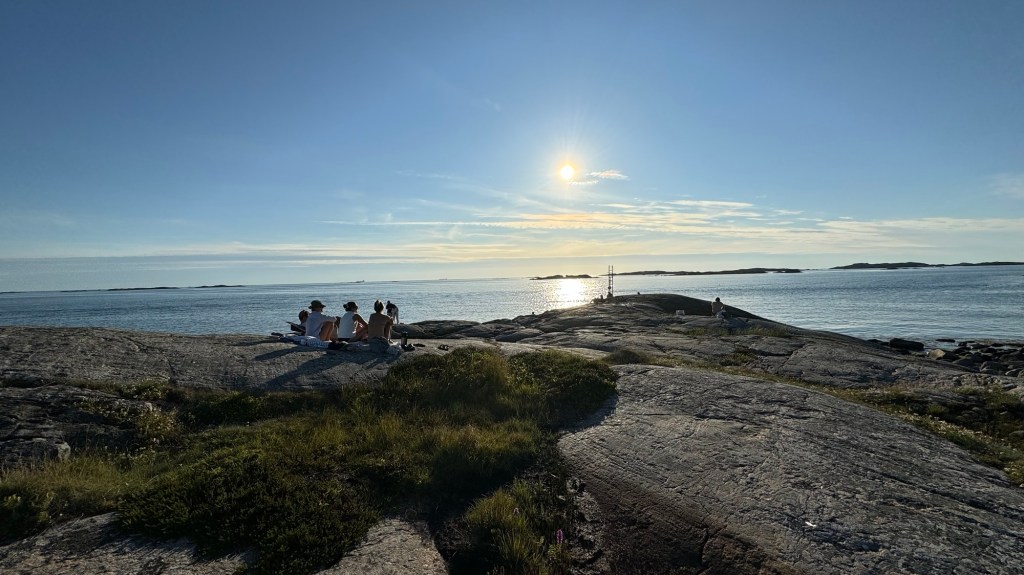
People settled in as sunset got closer

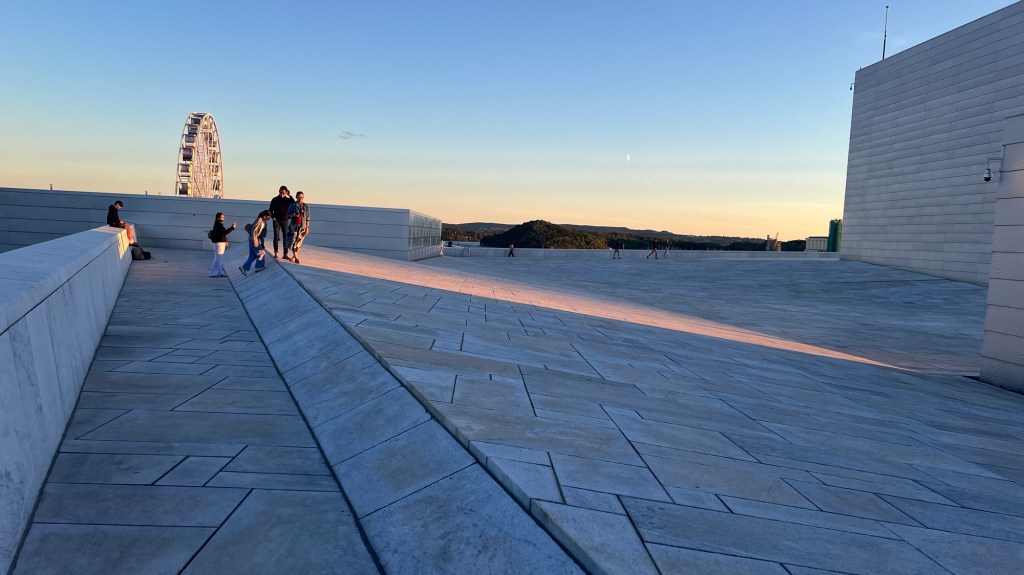
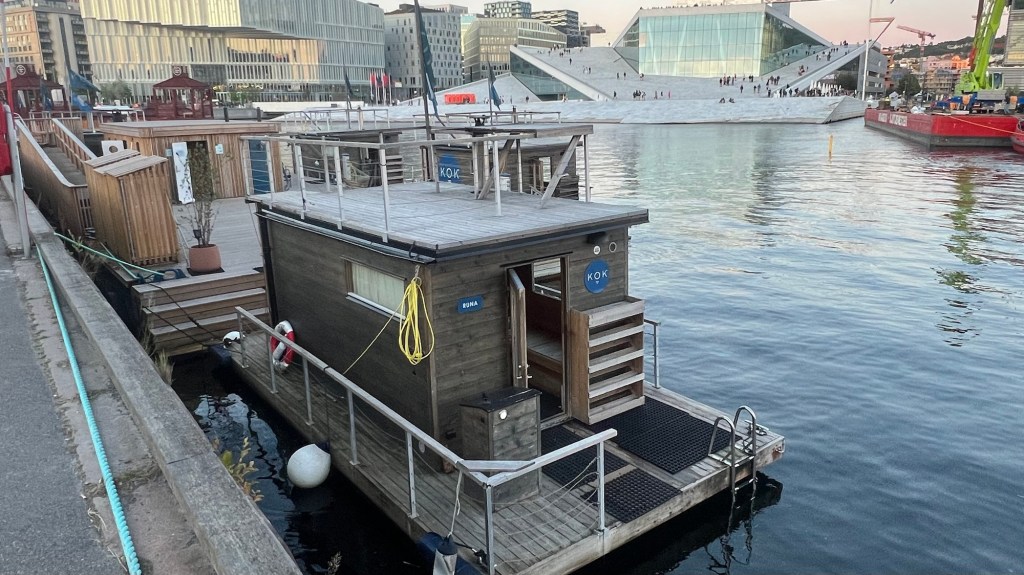
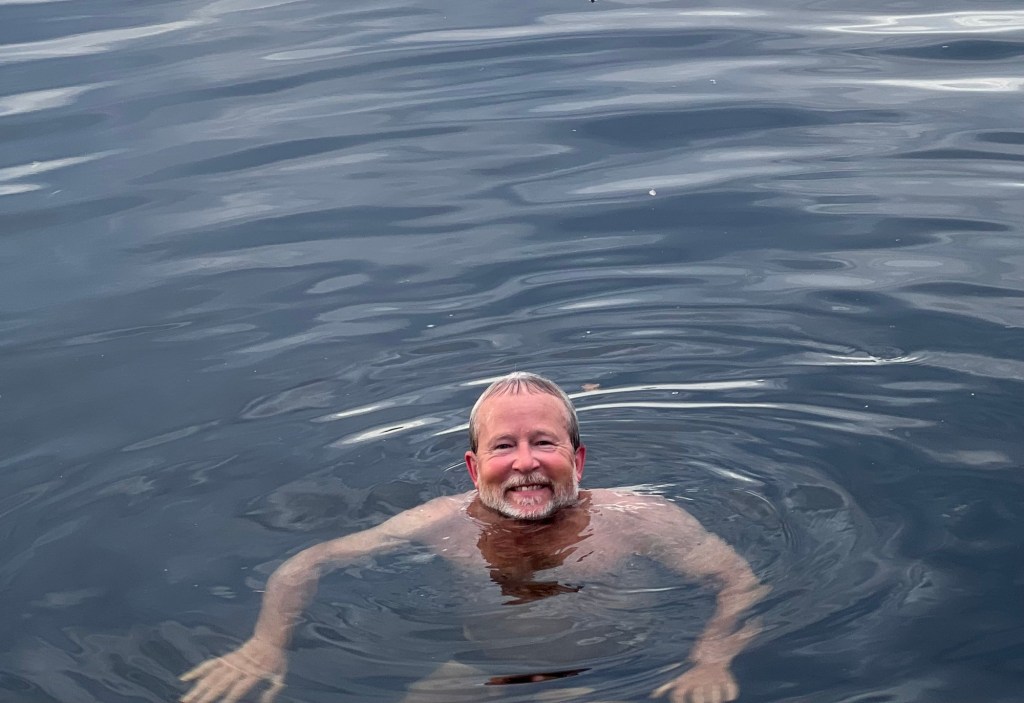
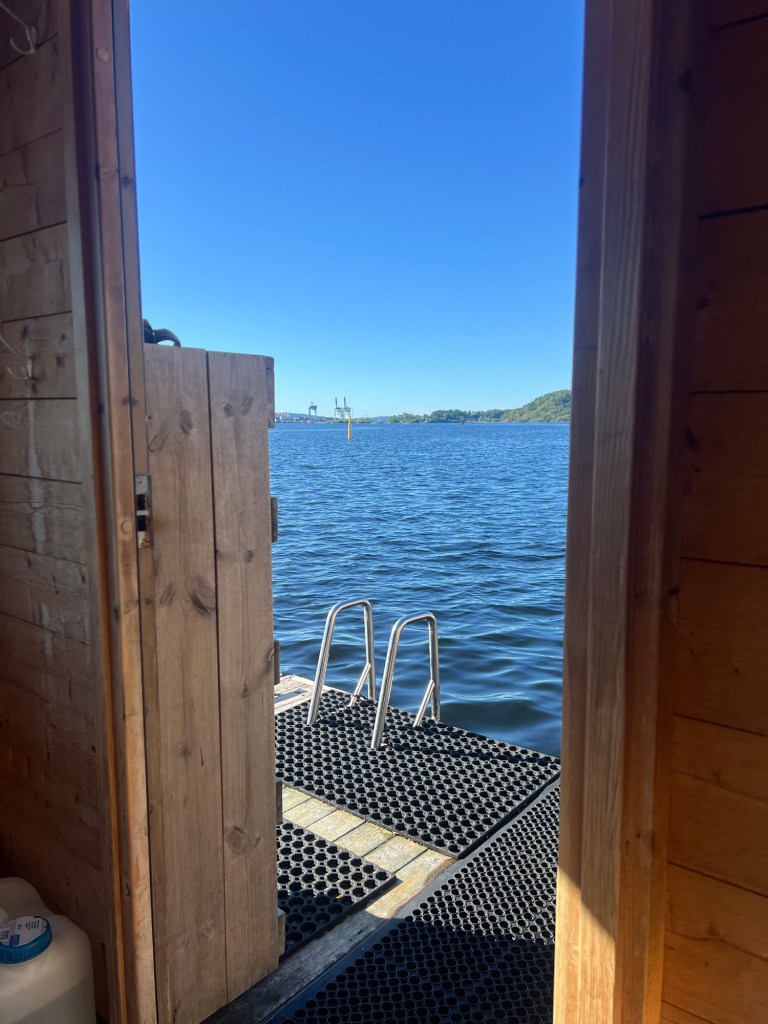
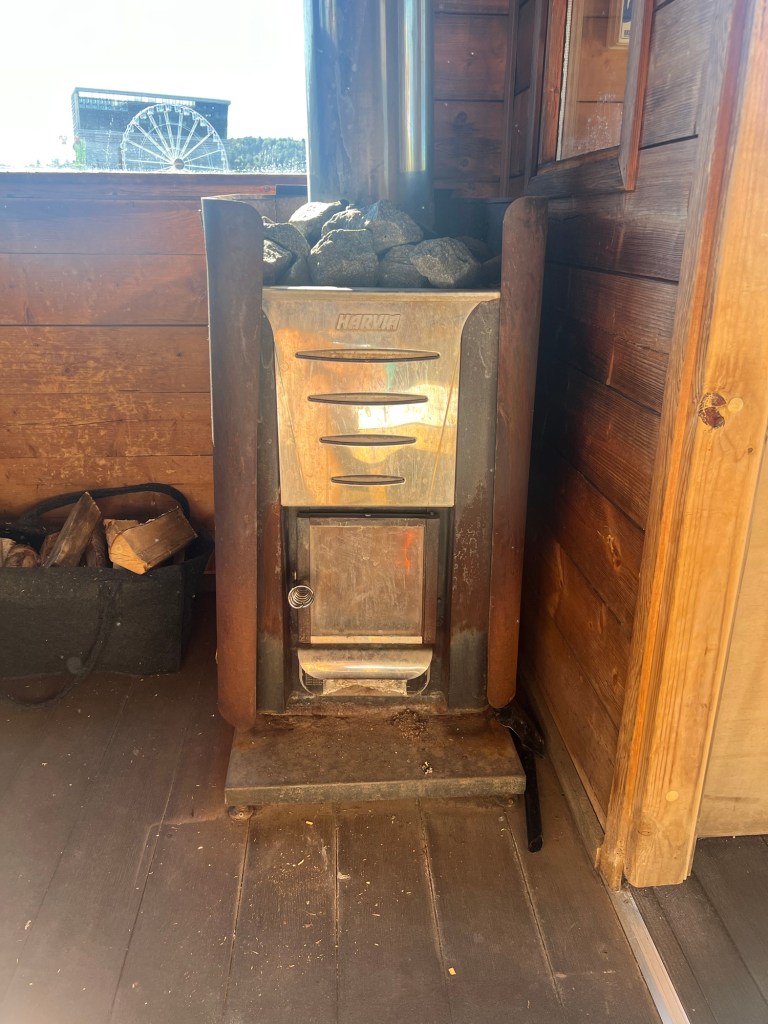
Will scoped out the floating saunas all along the waterfront, and managed to get us a reservation for early Monday morning. We got our best view of the Opera House before it was open to pedestrians when we were swimming in the harbor and/or sitting in the sauna.

The view of the Opera House and Oslo Ferris Wheel

The water was clear and cool, much warmer than we expected. The guy who tended the saunas and stoves told us he’s originally from California, married a Norwegian woman and they have a family here in Oslo. He said it’s a great place to have a family with many social policies that support people with kids.

We liked the sauna so much that we booked to return again early Tuesday morning before our train.
We saw lots of people biking as their means of transportation in Oslo. Some of the bikes were road bikes and it was easy to tell some of the riders were commuting to work Monday and Tuesday morning. Other bikes were like those we saw in Sweden and the Netherlands with seats on the back or boxes on the front for kids, groceries and dogs. There were a LOT of Teslas on the road too; one guy told us Norway has the highest number per capita of them. Sustainability and climate change are mentioned in hotel and shopping information as well as on signs around the city for recycling. Menus in restaurants gave information about where fish came from, how animals for meat were raised, etc. It feels like it’s a real topic of concern and consideration in Scandinavia .Another thing I noticed was that while there are plenty of high fashion clothing stores, there are also lots of vintage and second hand clothing stores that were bustling with shoppers.

Oslo’s Deichman Library

The library holds a place of honor beside the Oslo Opera House on the waterfront. It’s an amazing example of beautiful architecture and the value Oslo places on the library as a multi-pronged resource for its citizens. Will and I could have spent days there. It has a gift shop, a cafe, many meeting and read-aloud spaces, an escalator that carries you to the top floors very quickly, The children’s floor is welcoming to kids, families and teens who speak/read Norwegian and many other languages. There’s a mezzanine that has newspapers and magazines in Norwegian as well as English and other languages. We were in the library until closing at 10 one night, and the place was very busy right up til the final call for leaving. There are branches too in other parts of the city.

A glowing elephant welcomes readers to the children’s floor
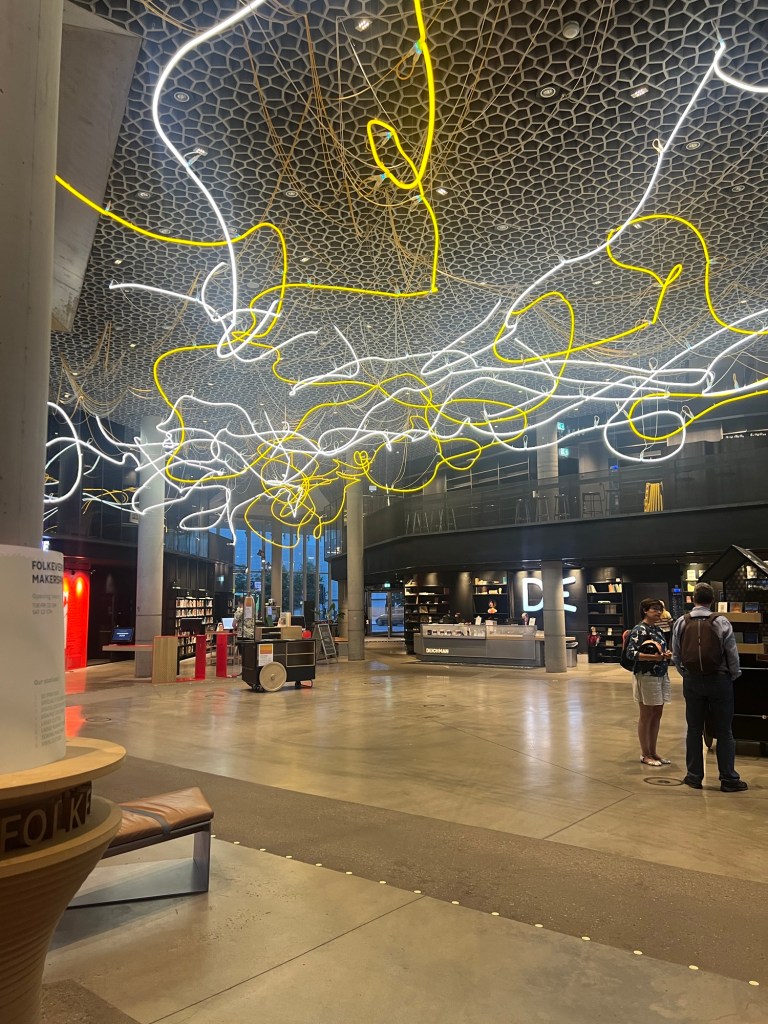
Neon light artwork on the ceiling of the ground floor entrance

Artwork was featured or integrated into some corners all over the library. It felt like a very busy museum, even at nearly. 10pm. I stopped in again on Tuesday morning before our train west to write down a couple of books I’d seen on display. There were many people there as soon as it opened.

We’d both like to return to Oslo again, to the library and to many other places in and around the city.
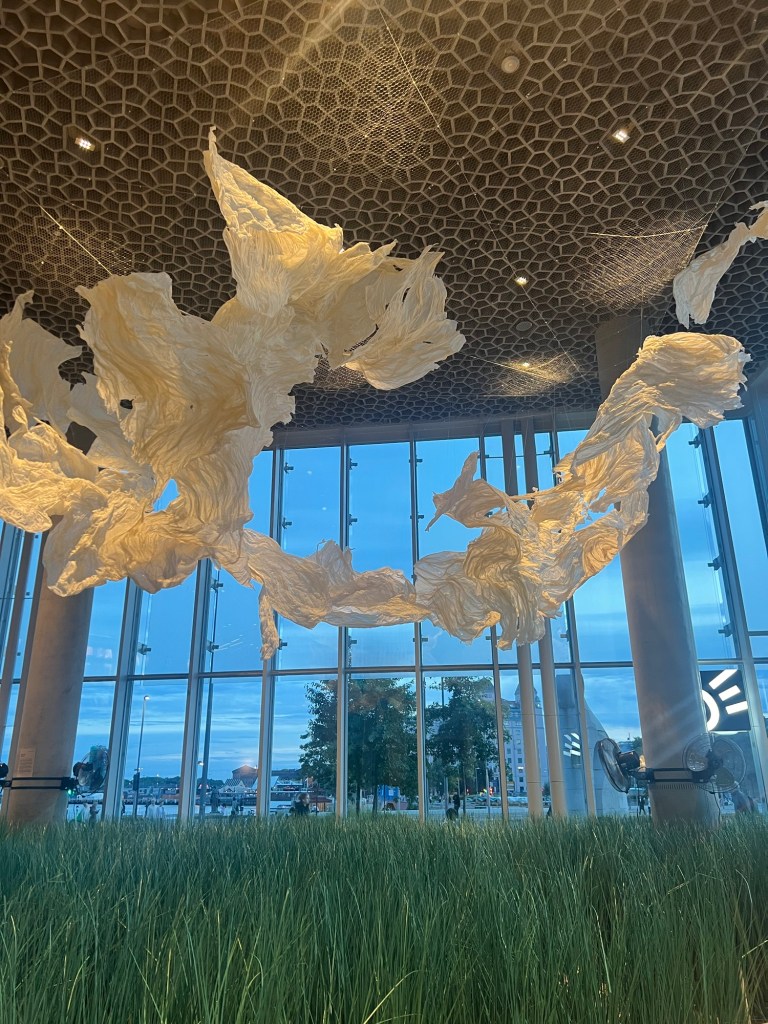
Floating paper art piece in the library

Sweden 4

Matches bearing the design from 1936 by artist Einar Nerman- a small % of each sale goes to the Solstickan Foundation to help children and elderly in society.
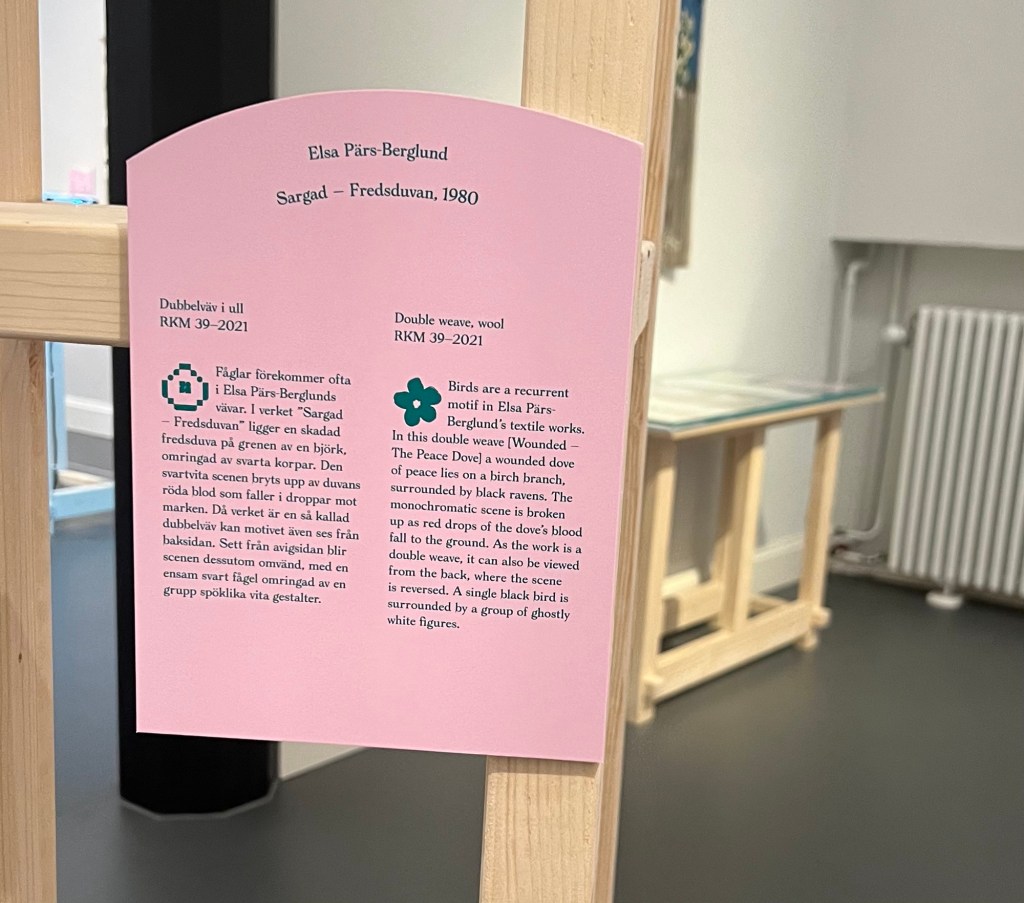
The Rohsska Museum of Design and Craft in Gothenburg isn’t big, but it sure held our attention for a few hours. They have a permanent exhibit on East Asian crafts and other exhibits that show how Scandinavian art is influenced by those designs and crafts. Will and I watched a short video on the process of Japanese woodblock printing, amazed at the time, patience and skill necessary to produce such fine art. The textile exhibit called Let a Hundred Flowers Bloom was my favorite, especially the work by Elsa Pars-Berglund.

Beautiful Scandinavian design is evident everywhere we went in the city too.

Both the bench, and the ‘cages’ with rocks are really well done

We rented a car for an overnight trip to Tjorn, the 6th largest of the Swedish islands on the West coast, so that we could go to the Nordic Watercolor Museum. It turned out to be the first really stormy day we’d had complete with wind and rain. So we joined many other visitors at this amazing museum. Somehow, even though the place was really busy, people moved around easily and politely.

This is the view out of the window as I waited to get entry tickets: 4 small studio houses for people who come to take watercolor classes for a few days or a week.
They had a sitting area where the posters of past exhibits were displayed; the posters were an exhibit in themselves.

This was a spot where people could sit to paint the landscape outside. There was also a table with pencils, mirrors and paper for anyone to try drawing a self-portrait

There are 2 rooms with paintings from the main collection that get rotated every 6 months or so. All of the paintings were done with watercolor and so different in style.

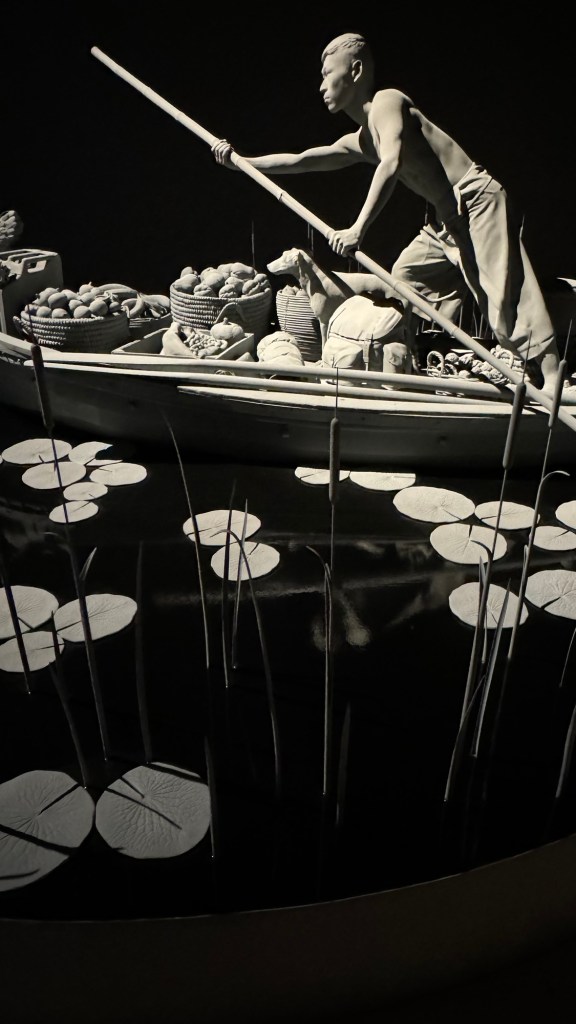
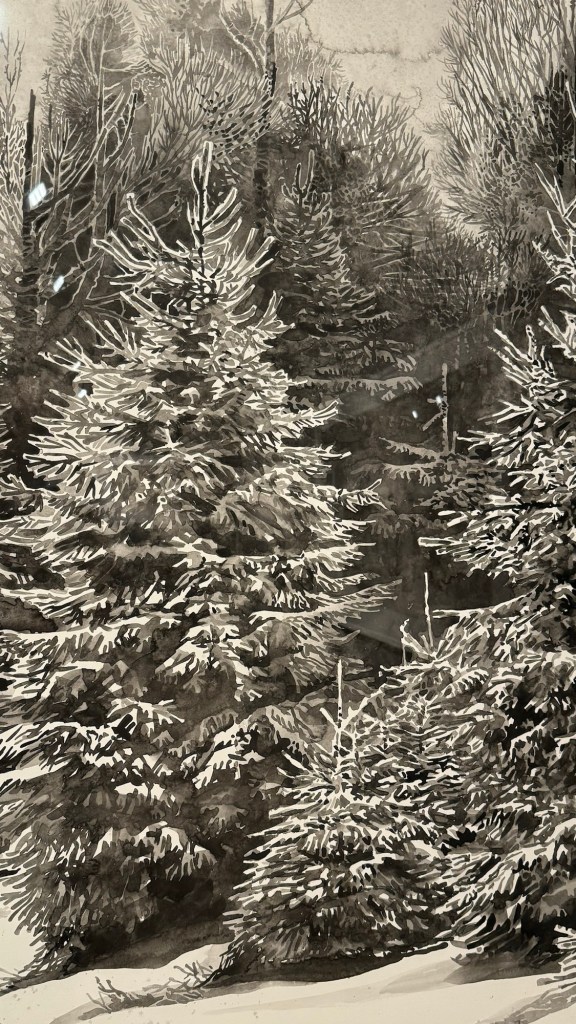
The major exhibit was called Vanishing Point by a Belgian artist Hans Op de Beeck. They had a video of him talking about his work, process and the inspiration for Vanishing Point. His work in general includes sculptures, video works, watercolor paintings, photography, drawings, and large installations. This exhibit had dreamy black and white paintings, an animated film, sculptures and a baroque life-size carousel all in grey. When I was listening to him talk about his life and work in the video interview, I realized I was leaning forward not just to hear him but because his quiet manner was so captivating. His work was equally so. He spoke of creating fictitious worlds in his painting in which the viewer can create their own stories. In the museum director’s preface in the booklet for the exhibit, she wrote “time as a concept and moment between life and death are central themes in Hans Op de Beech’s art, where reality and dream merge”.

Watercolor by Hans Op de Beeck
A detail of the sculpture The Boatman
The Boatman
Watercolor

Will and I were both reluctant to leave; the paintings and sculptures were so mesmerizing and thought provoking. The rain had stopped when we got outside, so we were able to walk out on the deck around the museum a little.

The green object in the water is a permanent sculpture of the museum that lights in the dark. The ladder, life ring, and pole with the hook are standard installments by most places with water in Sweden from we witnessed.
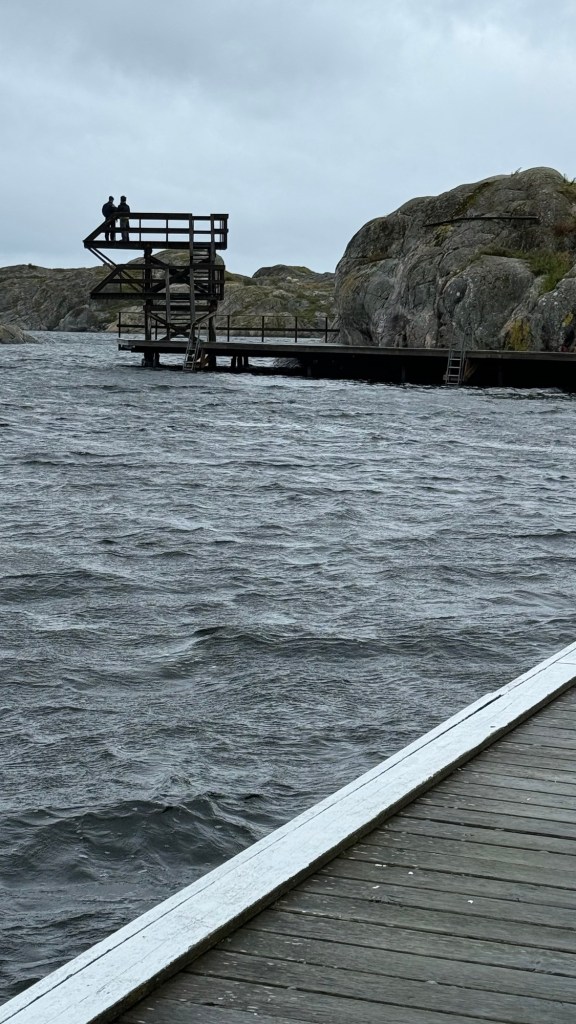
Walkway outside the museum to go to the diving platform to swim (on better days!)
Brown buildings are the Salt and Sill Hotel and its sauna to the right.

We drove a few minutes further on the island to the Salt and Sill, a floating hotel where we spent the night. The sun came out just before dinner to show off the beautiful rocky islands all around, some with houses.

It was a lovely place to stay. The wind continued, however, and I found myself feeling a little seasick the next morning! Will swam off the dock outside of our room before we headed out back to Gothenburg for a late brunch and our train to Oslo.

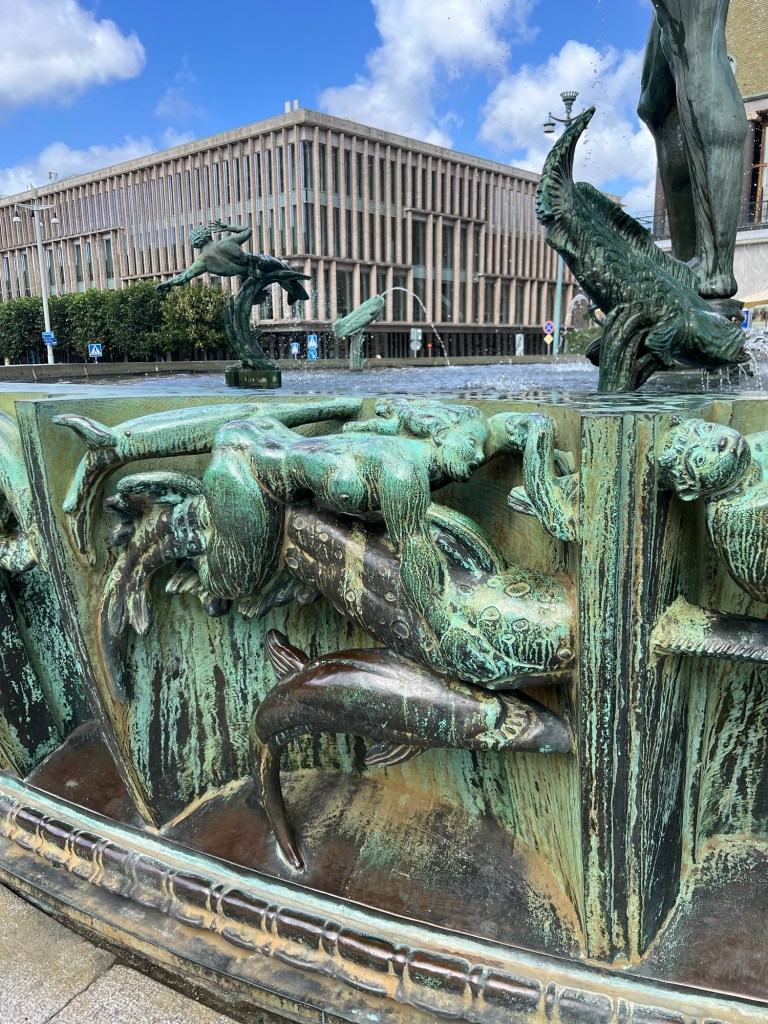
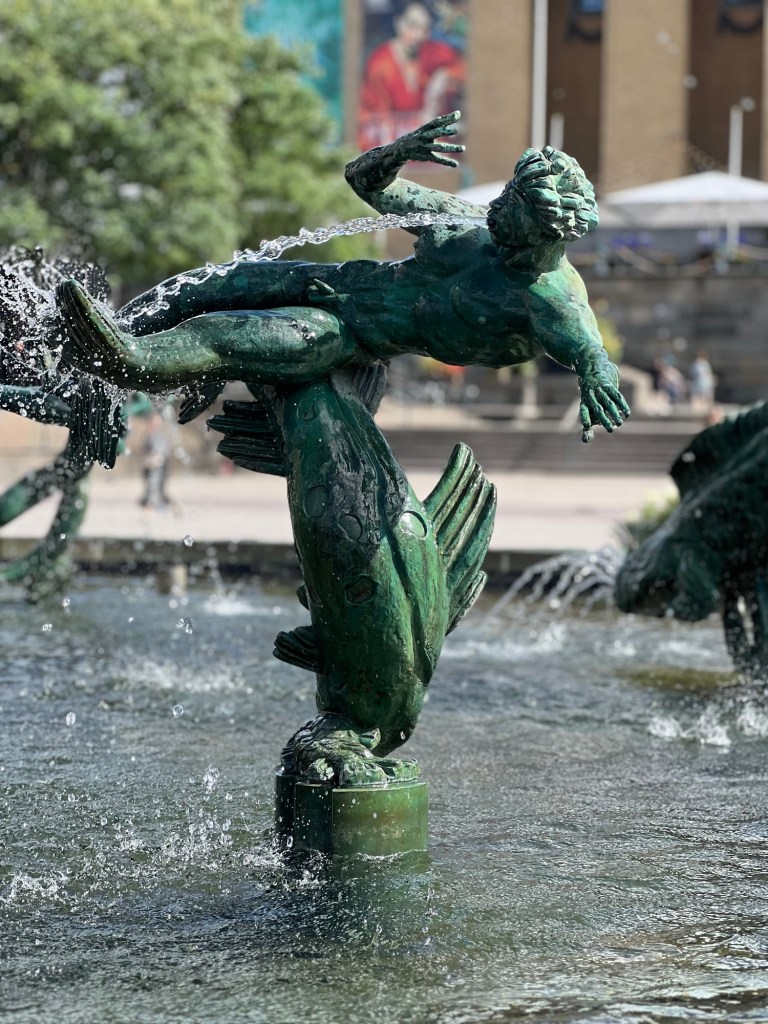
Poseidon the sea god by Carl Milles

The train station departure board said the Oslo train was delayed by 2 hrs, so we stashed our bags in a luggage locker, rented the City bikes and rode to see some landmarks we’d read about. Poseidon is famous for not just being the sea god, but apparently the statue caused some scandal when installed in 1931 because his genitalia was considered too large and prominent. The sculptor amended it, but added the large fish in his hand. The smaller statues and reliefs of nymphs, mermaids, tritons and fish are lovely in their detail.

It was an easy ride back to the station. We returned the bikes, retrieved our luggage and the much delayed train finally arrived to take us on to Oslo. Exploring more of Sweden will have to wait til the next time.

Sweden 3

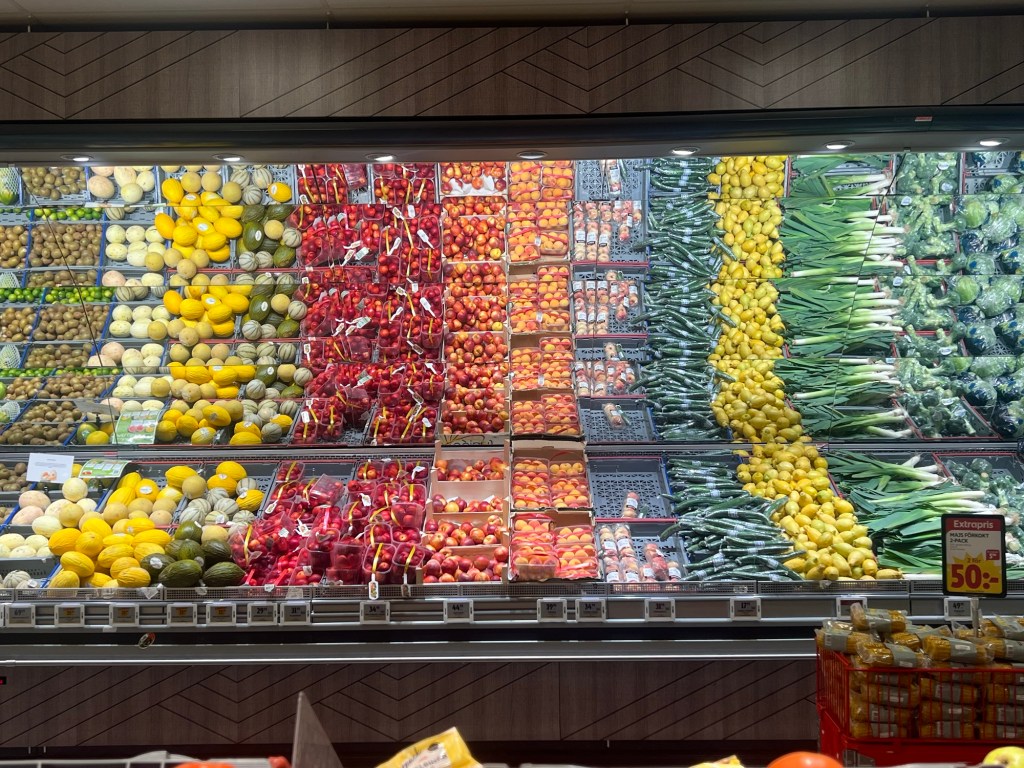
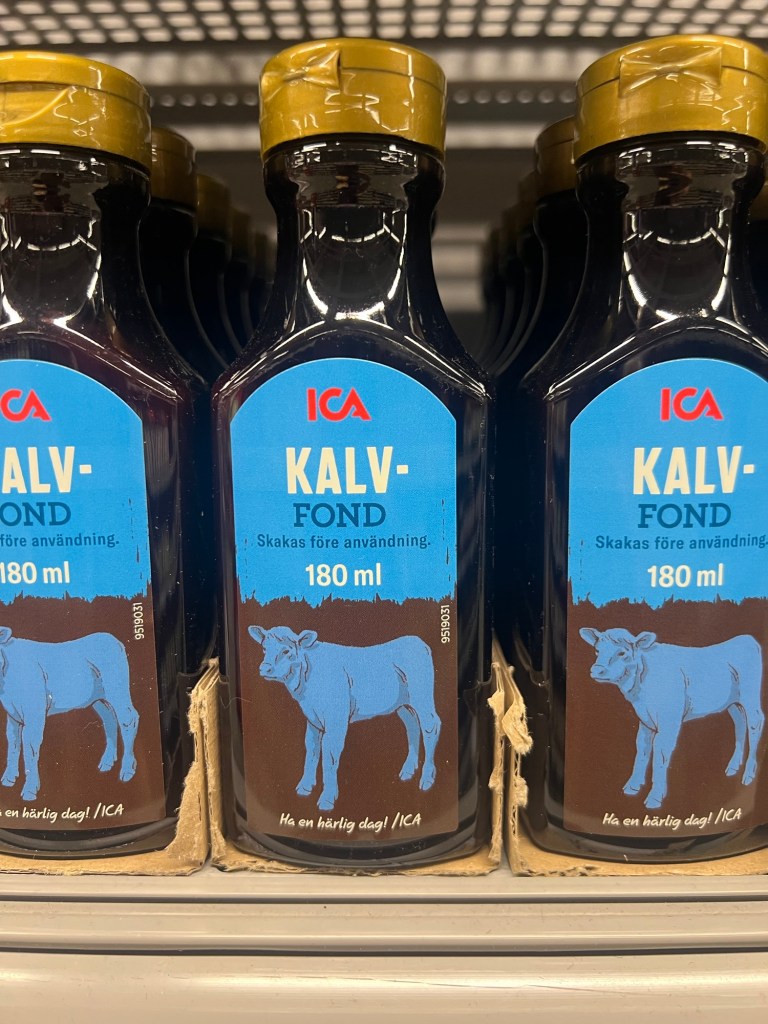
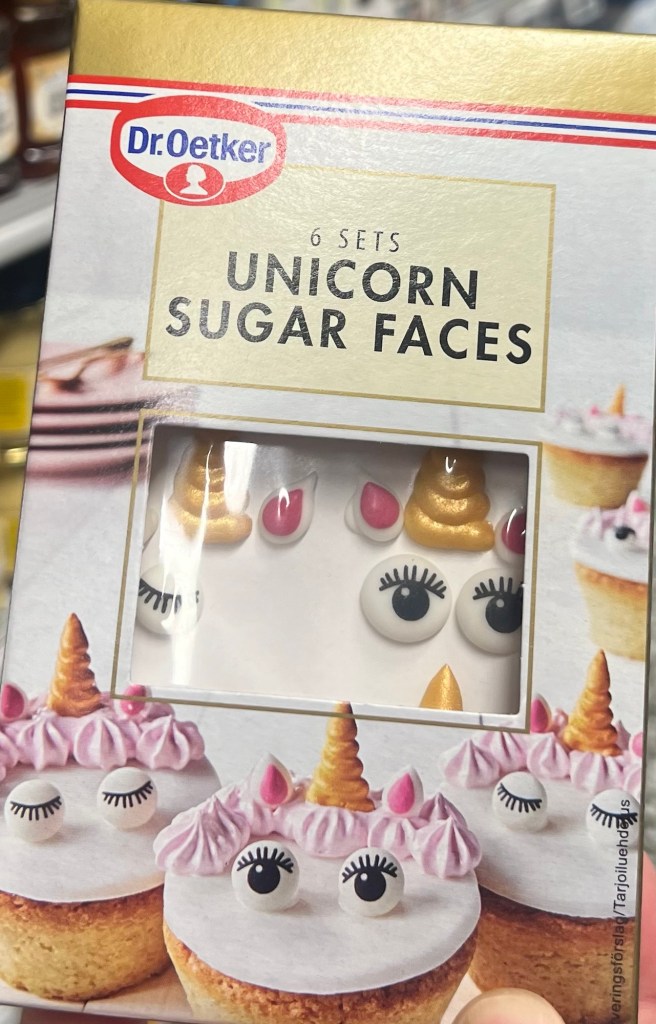
I always like going to grocery stores when I travel, especially in countries where I don’t know the language well, or at all in this case. Seeing how foods are presented, what the predominant snacks or treats are, and trying to translate labels (before resorting to Google Translate) can keep me looking at the shelves for quite awhile- usually laughing my head off. This happened the day we went to Varberg, south of Gothenburg 45 minutes by train. The town of Varberg was bigger than we thought it would be, and had quite the big grocery store.

Mirrored wall at the produce section. Result: it all looks gorgeous!
It’s obvious herring is a staple in this country.
Broth
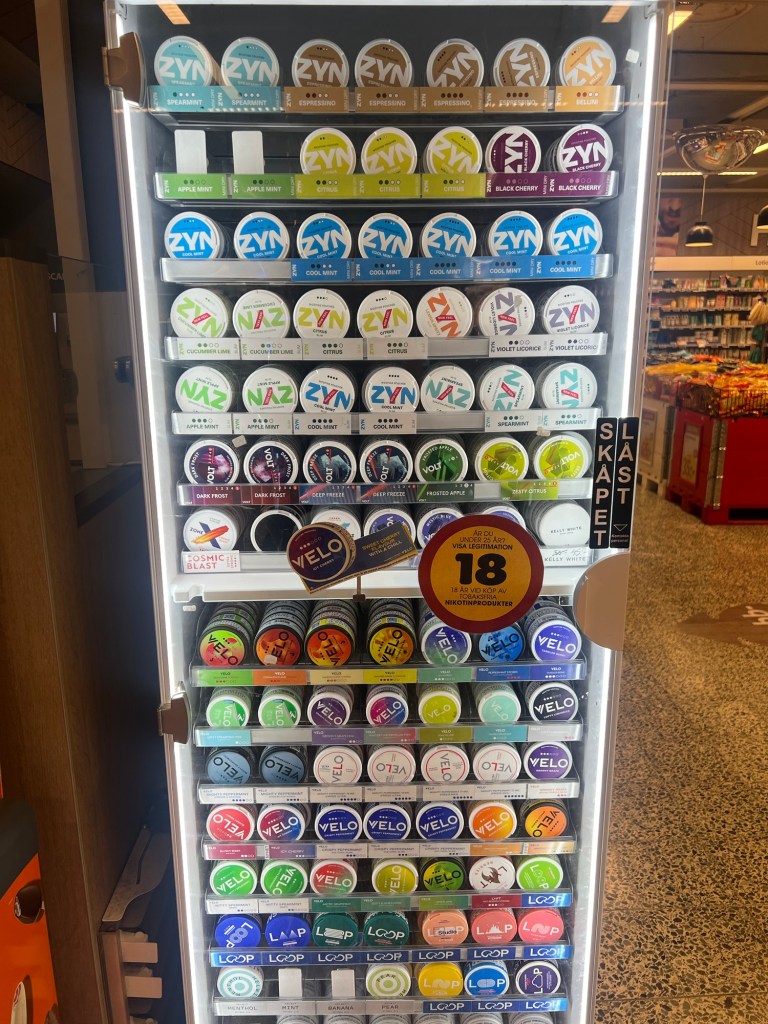
ZYN- very popular oral pouches of nicotine powder with flavors like mint, coffee, citrus, etc. These are Philip Morris’ tobacco-less product that go between lip and gum, slowly releasing nicotine into the blood system, no spitting necessary. UGH

Will and I found some fruit and a couple snacks, and made our way out of the grocery store via self-checkout. It’s quite the challenge to do in Swedish. I love how you get a receipt for your purchases and then scan it to release the gate at the exit of the store.

Varberg Kallbadhuset

The sauna/bathhouse at Varberg is the reason we went to Varberg. The beaches are small and sandy with coarse sand near the bathhouse. It’s been rebuilt twice after major storms damaged it. Entrance is by a pier that brings you into a small cafe. At the desk, you pay for your sauna and can leave valuables in a box they store behind the desk. The saunas, sunbathing, and swimming in the sea are separate by sex, and in the nude. Will and I parted ways with plans to meet outside in an hour or so.

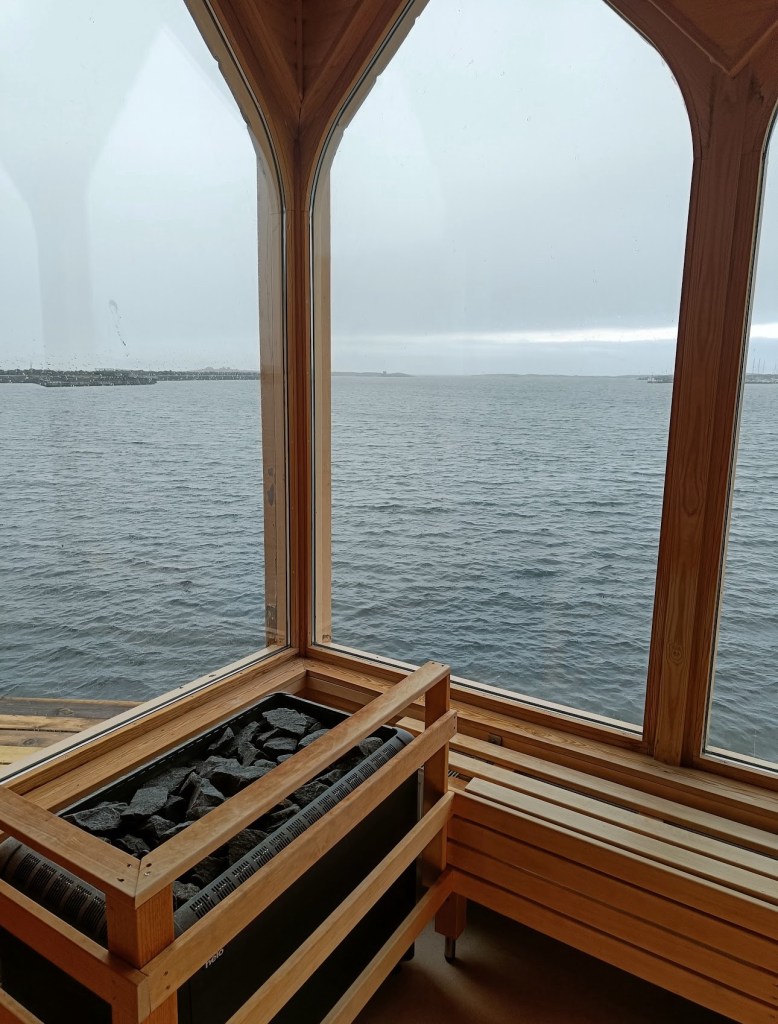
The changing/shower room was immaculate. I found my way to the women’s sauna wrapped in my towel and was immediately blown away by the view from the sauna.

It was very warm inside the sauna, especially when the sun came through these large windows.
Will managed to get this shot sort of over his shoulder in the men’s courtyourd

When I got too warm, I walked out into the courtyard, left my towel on a chair and went down the steps and ladder into the water. It was cool, but not too cold at all. I repeated the sauna/swim a couple of times, and then sat out in the breezy sun to dry off. It was quiet, with a couple of women sitting separately around the courtyard reading or sunning,; there was a young girl and her mother going in and out of the sauna and water as I did. Very relaxing in the old country style of public saunas for the very reasonable price of $10. I became a sauna lover that day.

Sweden 2

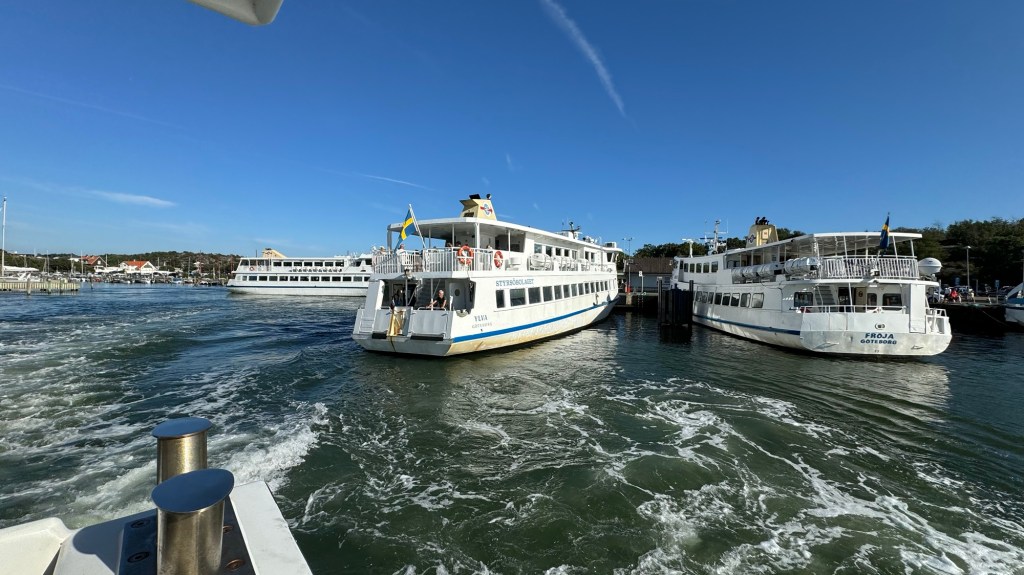
Ferries out to Gothenburg’s southern archipelago islands

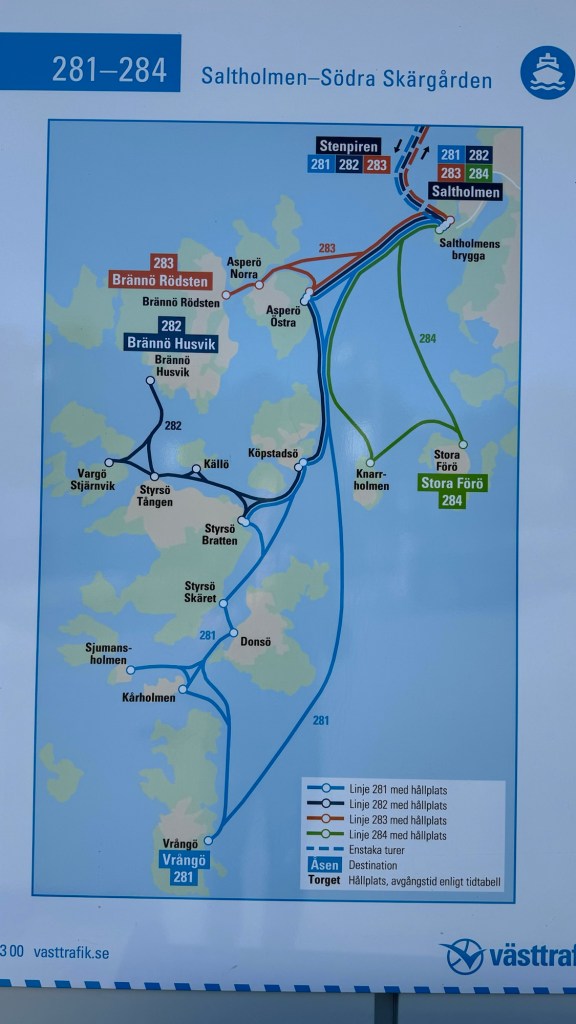
The tram goes from the center of Gothenburg out to Saltholmen ferry terminal for the ferries to the southern archipelago islands. The terminal is small but impressive with its signs telling when each boat is leaving in real time.

We took the blue line ferry
View back towards Saltholmen; the Karla tower in Gothenburg visible from far away
Each island was intriguing from the water and had people on the shores diving in

We got off at the end of the blue line on Vrango (which sounds nothing like it’s spelled!) and walked across the island to one of the many swim spots. The late afternoon sun made the little houses and gardens even more picturesque.

We swam off of these rocks, descending into the water on a ladder attached to the rocks. It was calm and cool- just right!

The ferry line was familiar to us.

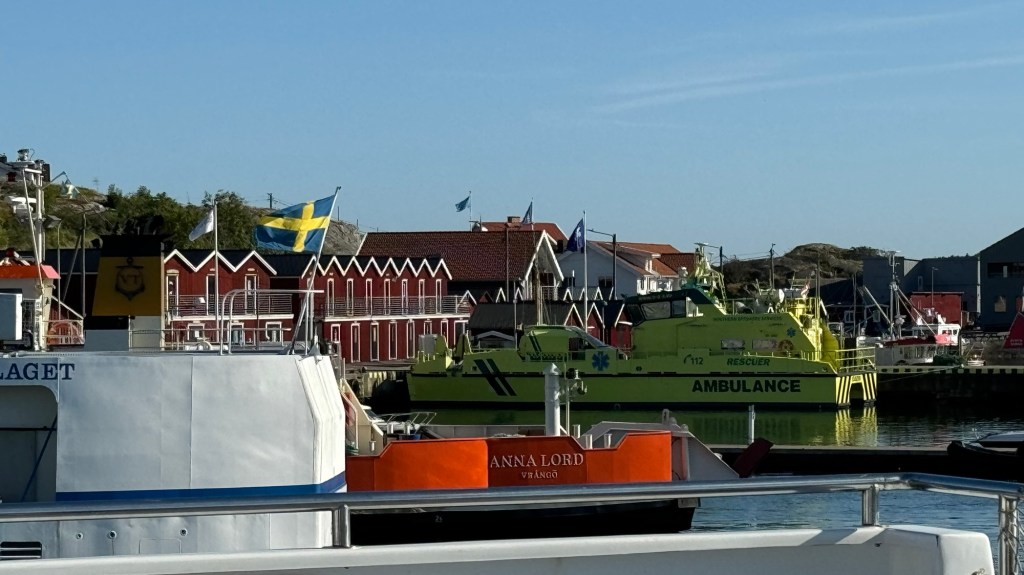
Vrango is one of a few islands that has year round residents- about 350 now. They had to close their school a couple of years ago due to low enrollment, and the kids who live there go to school off island every day. Like Maine’s coast, the islanders are facing housing shortages as houses are bought as summer homes, prices increase, etc. These islands were mostly fishing villages in the past.

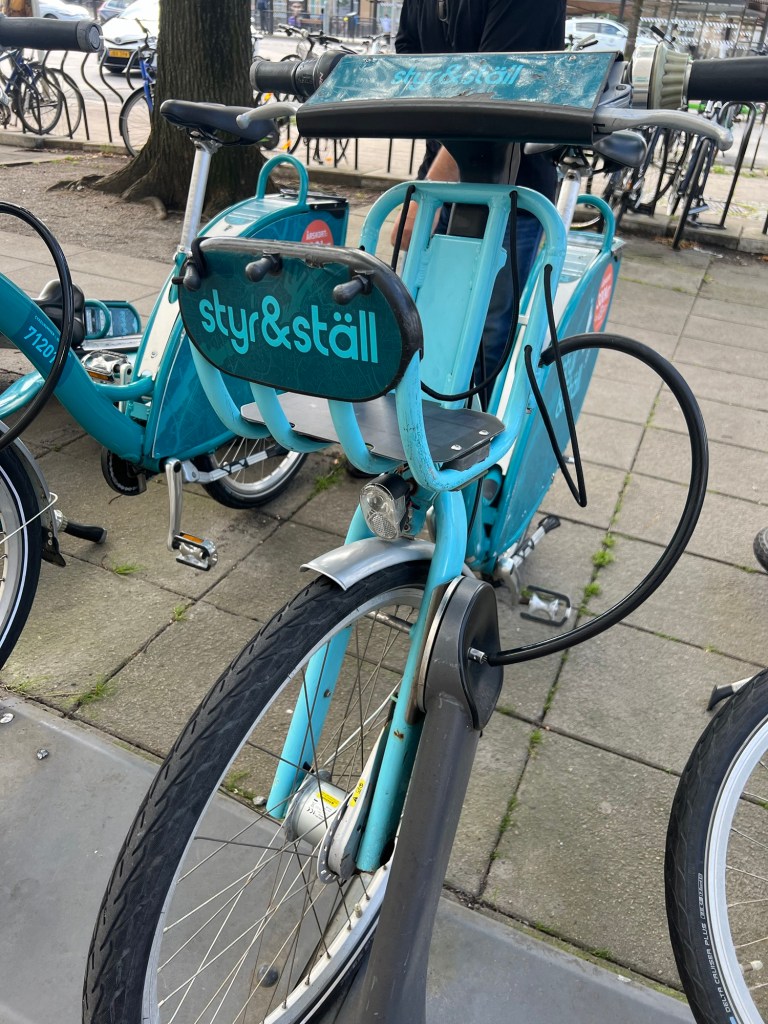
Another day in Gothenburg, we rented the city bikes to cycle around on the bike lanes that line most streets.

The lock cable goes through the front wheel into a slot on the front spoke; it releases when you type in the code on the back panel on the bike.The cable end then has a nice slot to go into on the bike while you ride .

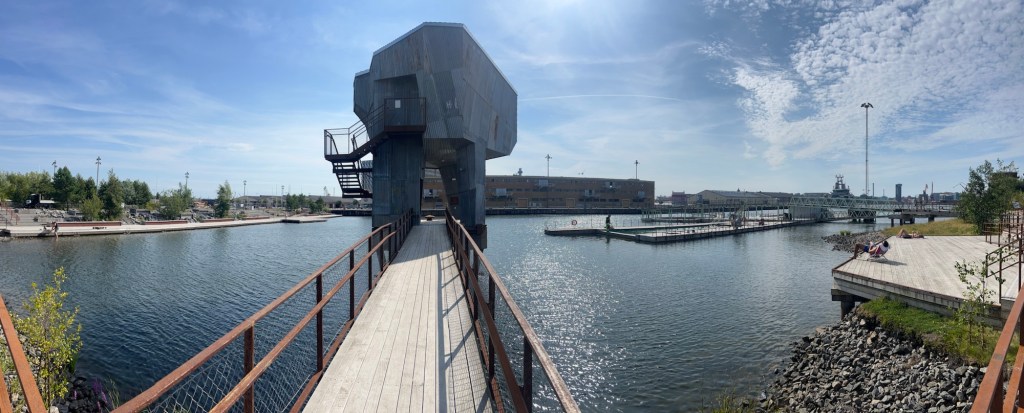
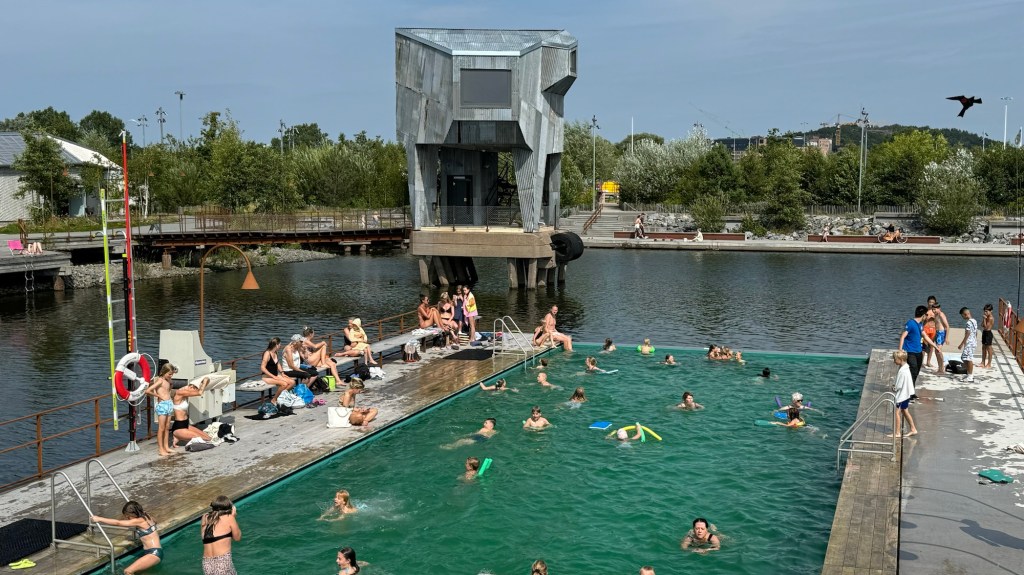
We biked to Frihamnen where the Jubileumsparken is. It is a park built for the city’s 400th anniversary where people can swim and sauna. The photos say it all:

The walk way to the sauna
One of the 3 swimming areas
Will got this photo of the inside of the sauna from their website. It was quite amazing to sit in the warmth and look out to the river.

This was just one of the many saunas we hoped to visit. More later.

Sweden

I’d never heard of Gothenburg until I started looking at the VisitSweden website, trying to plan for us to explore the West coast of Sweden. It’s Sweden’s second city and noted for good food, culture, sustainability and ease of getting around. It’s all that and more. The bus from the airport brought us straight into the city center to a beautiful bus and train station.

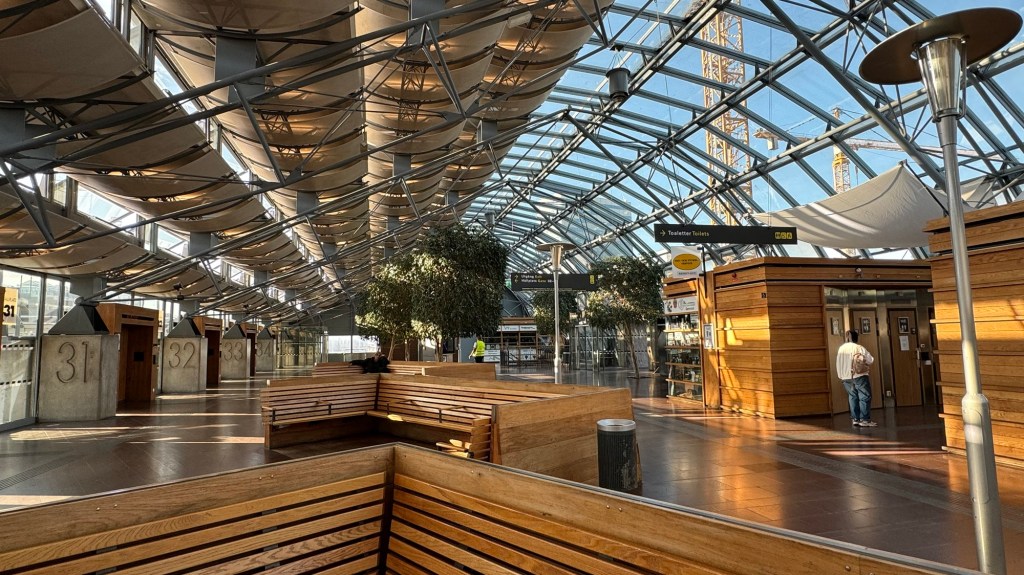
Gothenburg’s central train station

We stayed at the Hotel Royal, the oldest hotel in the city and walkable to just about everywhere. One of the first things I wanted to do on Tuesday was find our way to one of the oldest neighborhoods called Haga for cinnamon buns.

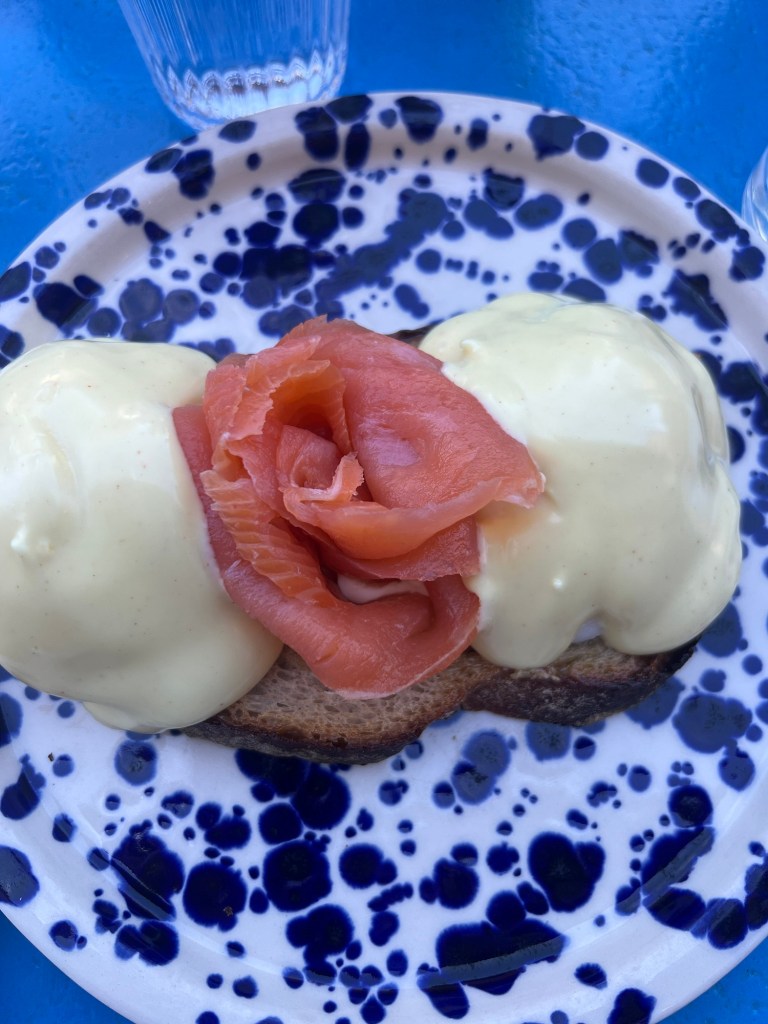
Will is a master at finding restaurants that serve all day brunch/breakfast ( essential since we aren’t super early risers). But even after having a great breakfast, I was happy to eat part of a cinnamon bun with him.

Gothenburg is big on ‘fika”, the Swedish word for coffee break, so it’s really easy to find good coffee and lots of delicious variations of cinnamon rolls and other morning sweets.

As we wandered, we found the city has a mix of old, very old, and newer architecture as well as street art in many forms. It’s a working port with huge container ships as well as the Stena Line that goes to Denmark. One crane that worked on huge ships has been designated a historic building. There are stores and shops of every kind : yarn stores galore, high fashion and secondhand/vintage shops, hair salons on every corner, shoe repair and Scandinavian design furniture and home stores that had us ogling through the windows all week.

The “fish church” that houses a very good fish market and restaurants. We ate there twice and had the best fish soup ever.
The Karlatornet (Karla Tower ) in the background is the highest building in the Nordic countries, with huge cranes for container ships in the foreground. The Coast Guard ship also had a large crane- maybe for sea rescues?
I love these bronze statues of a fisherman, boy and dog.
Saw this sweet painting on a building.
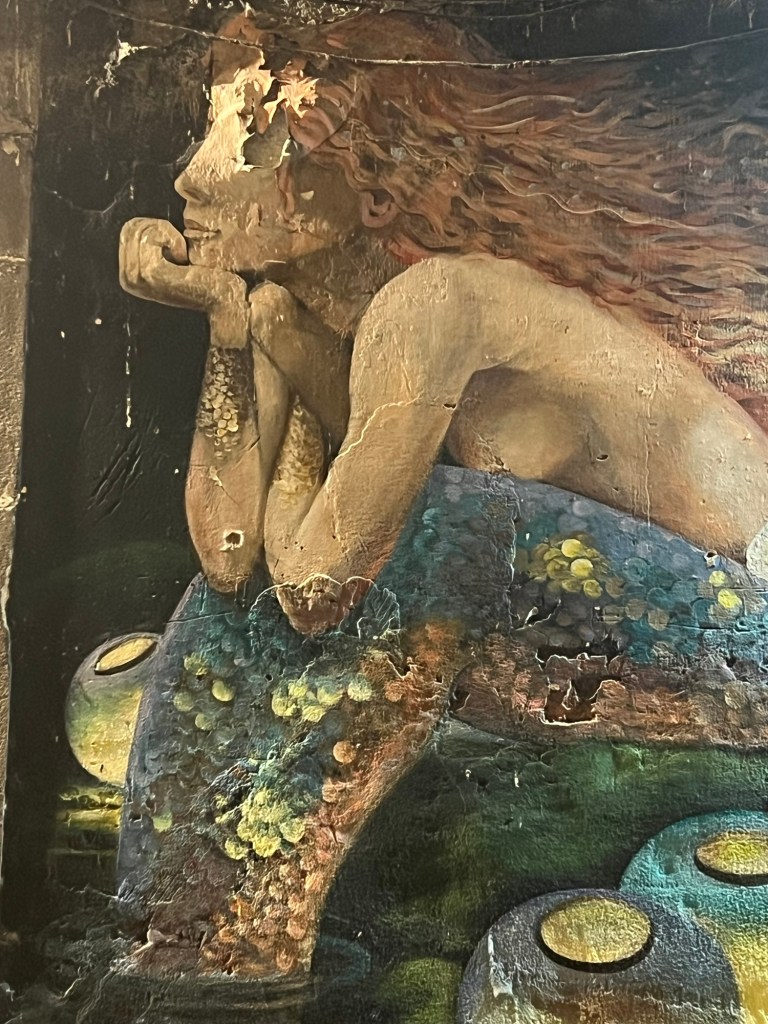
Will and I both loved this merman (?) even though he’s sort of creepy with his incredible detail. Shells and other small sea creatures on his face, an octopus on the back of his head.
The back view
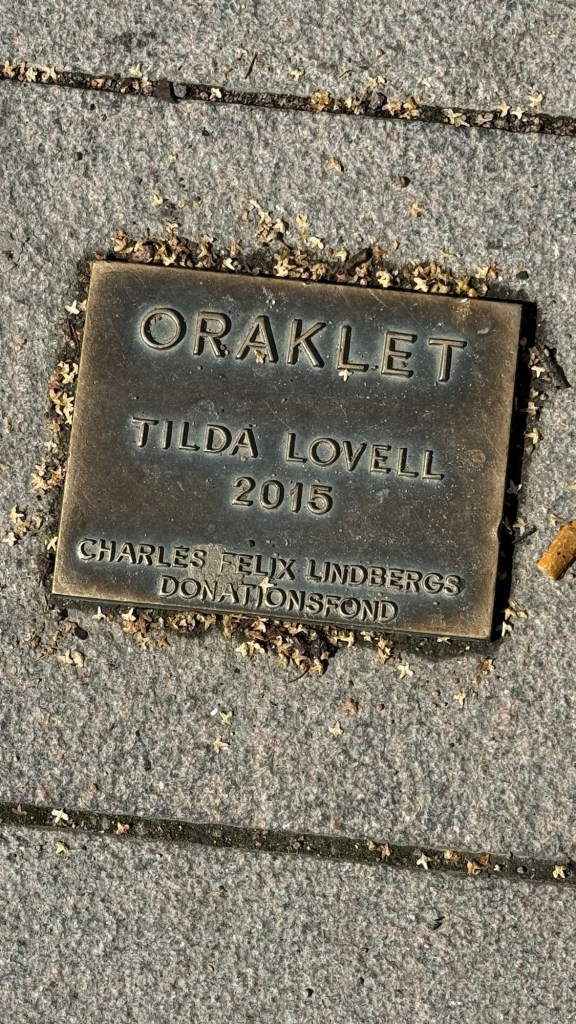
Oraklet in English is “oracle”- I looked up the artist Tilda Lovell but there isn’t much explanation about her work.

Red Poppies, and other wonderful things

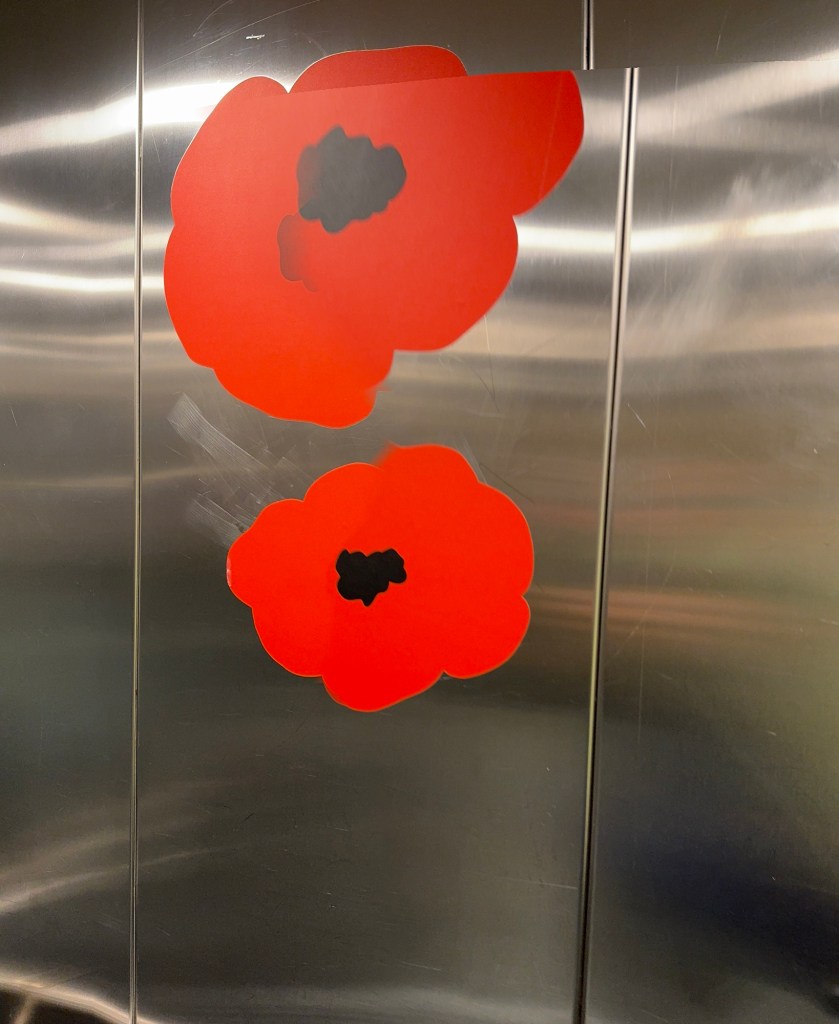
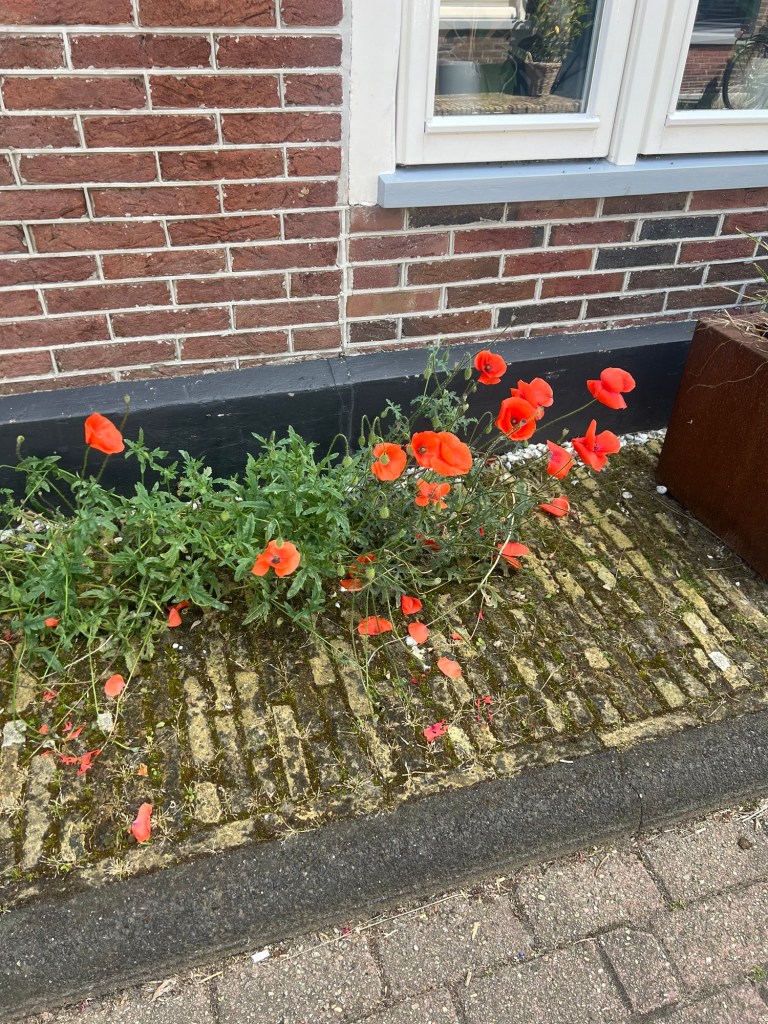
Just before we left home, I had to pack up the large set of 5 red poppies from my show. They’re heading off in a moving van to California with all the other furniture their new owner is taking from her house on Peaks. I got Will to help me get them snug with bubble wrap and cardboard, and said goodbye to them. As soon as we got to Texel for our week of beach and biking last Mon July 29, I was so happy to see that the red poppies there were blooming all over the island. This one shown above is just one of MANY clumps we saw everywhere!

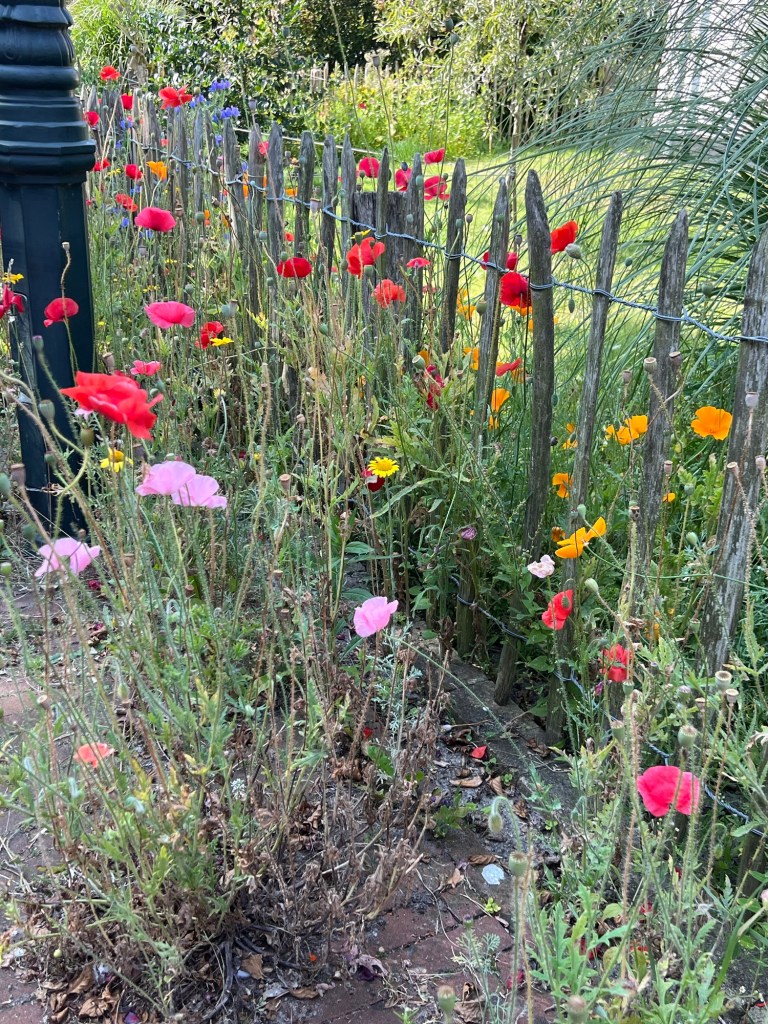
A huge field of wildflowers in full bloom

Our week on Texel was a couple weeks earlier than usual, so we saw many things in bloom that were usually passed in mid August.

Artichoke blossoms

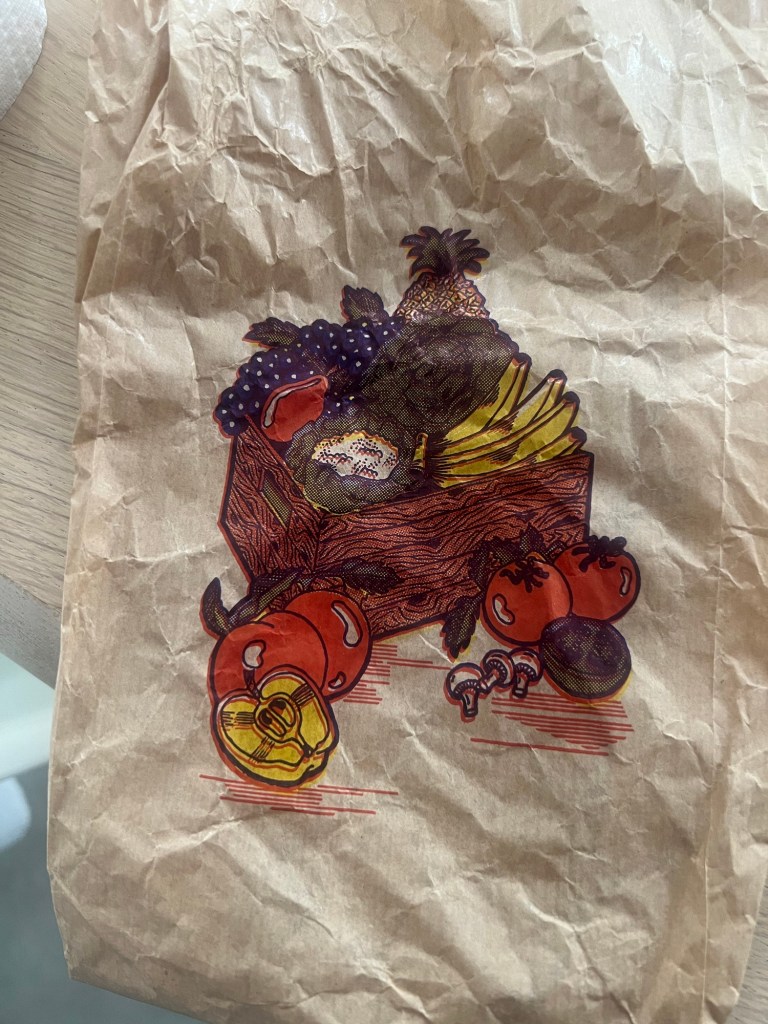
Every time Will and I return to Texel, we’re both struck by the simple beauty, the incredible mix of farmland and dunes, wide open beaches and bird filled wetlands, and the way time slows down. This time around I found myself marveling at some pretty ordinary things done the Dutch way. Like going to the grocery store and finding nice little paper bags if you need to put loose green beans in something to weigh. Sturdy enough to use for sandwiches another time. I didn’t get a photo either time,but caught myself staring as I watched couples bring their whole grocery order out in a cart without any bags. They proceeded to pack the whole thing in the saddle bags of their bikes.

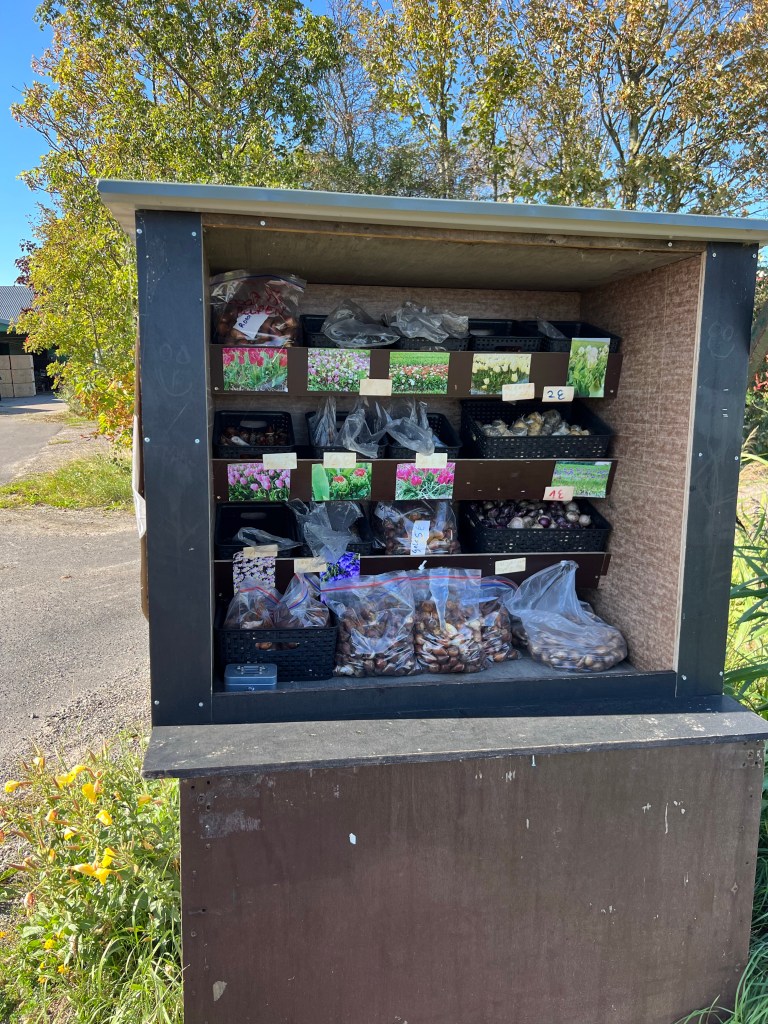
I really wish we had these at some one of our stores in the US
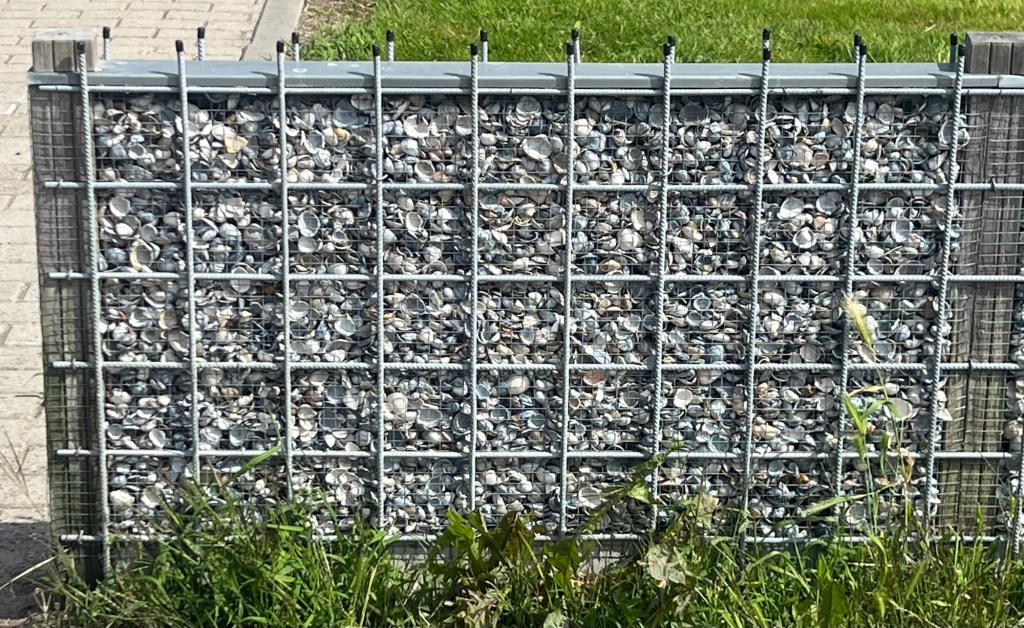
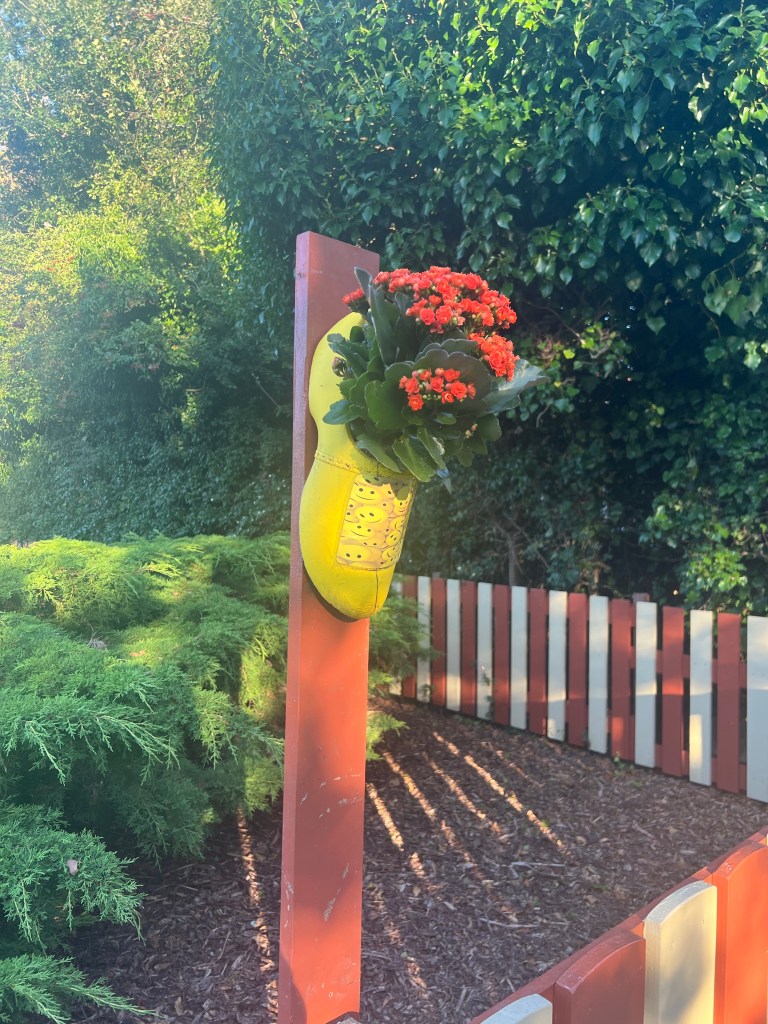
A great use for shells in a garden fence
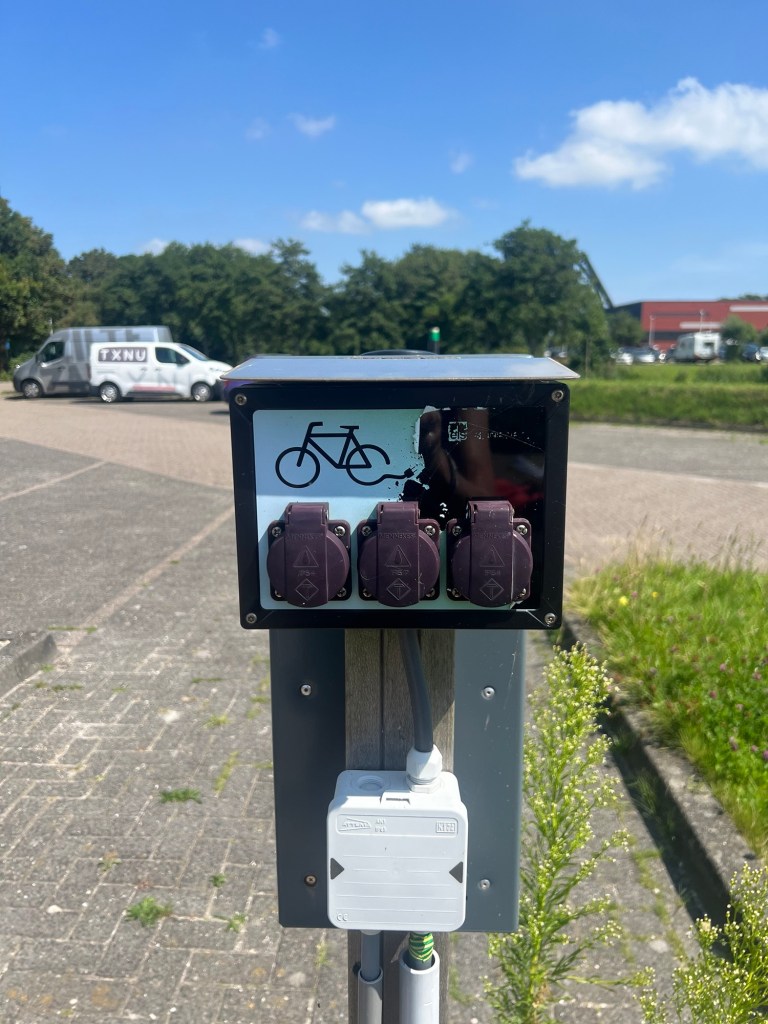
We’re going to need some of these around Maine as e-bikes get more and more popular
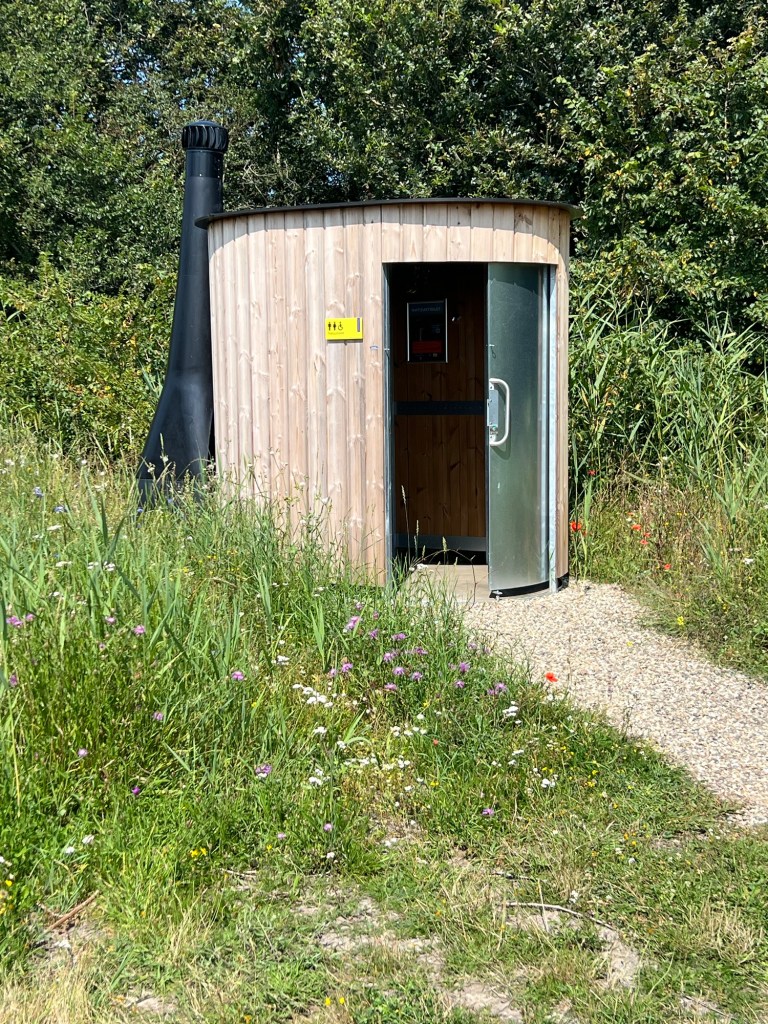
Very cool design for a compost toilet at the nature preserve-

I saw 2 murmurations of starlings again this week, one of which was occurring over the field I was cycling beside. I found myself going slower and slower so that I could track it overhead. That same night, Will and I laid on the beach in the dark to watch the meteor showers. We saw several slow shooters, as well as a clear view of the Satellite Train! It was unreal.

Birdhouses made from re-purposed teapots and cups
We’ve often seen a parent giving a child an assist on their bike for many miles

It was another magical week of biking everywhere, being outdoors for 8-10 hours each day, and discovering more to love about Texel.

Beautiful Lisbon

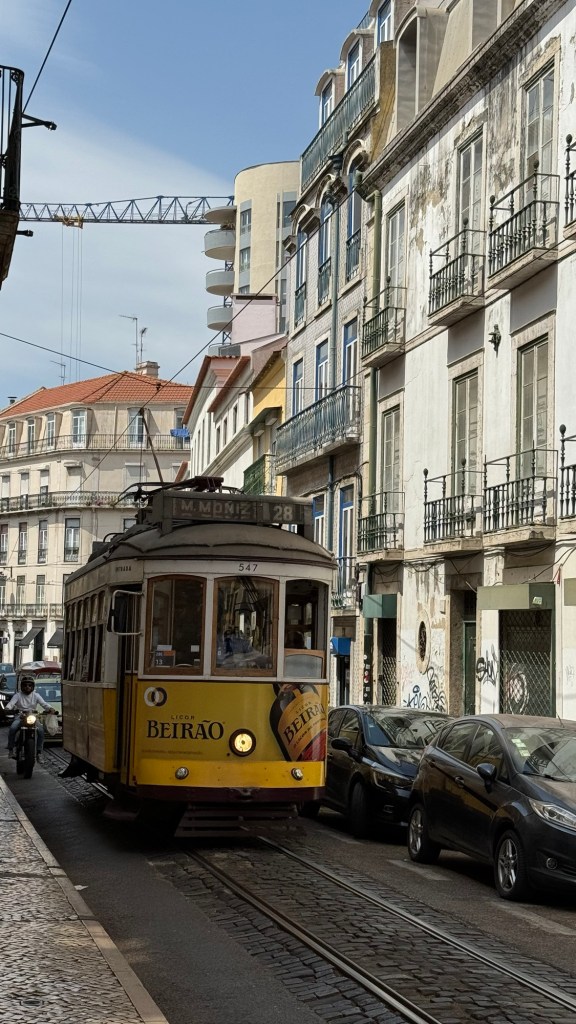
The iconic Tram 28

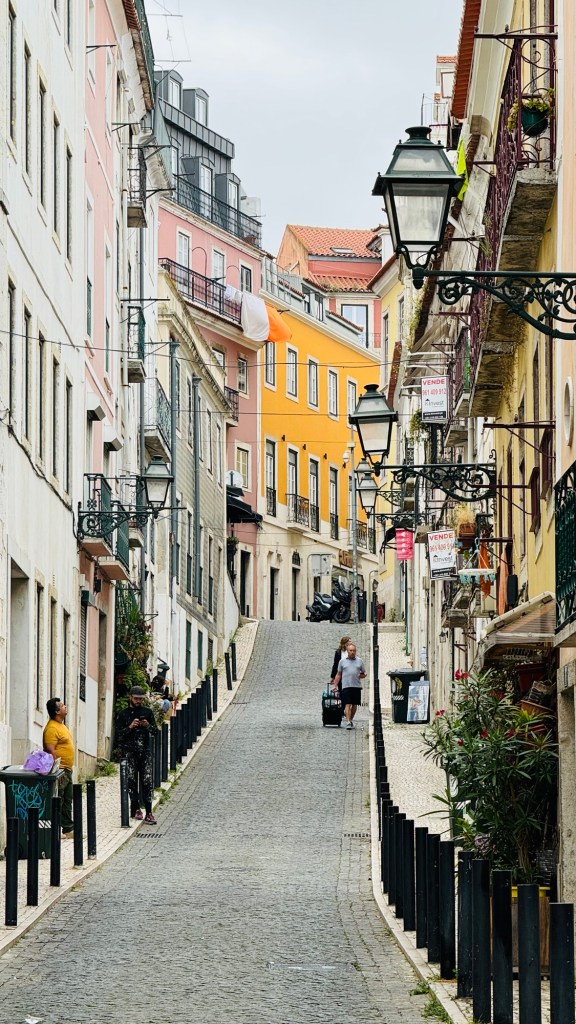
We stayed in a hotel/bed and breakfast called Dear Lisbon -Gallery House that we’d found on another visit to Lisbon. It ‘s comfy and lovely with art and artistic styling, and it’s great walking anywhere from there. AND that cool Tram 28 stops right outside which is truly one of the best way to see alot of the city and people watch people on the sidewalks and in the tram. We were a little overenthusiastic last night when we returned from a long day of walking , sightseeing,taking in the sunny days as people hung laundry high above us, etc etc. The Tram stopped outside, the sky was turning pink to reflect off of the clay roofs, and we dashed to ride the city once more before leaving today. It got more and more crowded as we went the tracks up and down hills as we spied on what outdoor diners were eating and which bars had the most young Europeans lounging outside. We had to walk back to our hotel because the return tram was so packed. But hey, it was just another way to enjoy the warm evening and see what everyone was out doing.

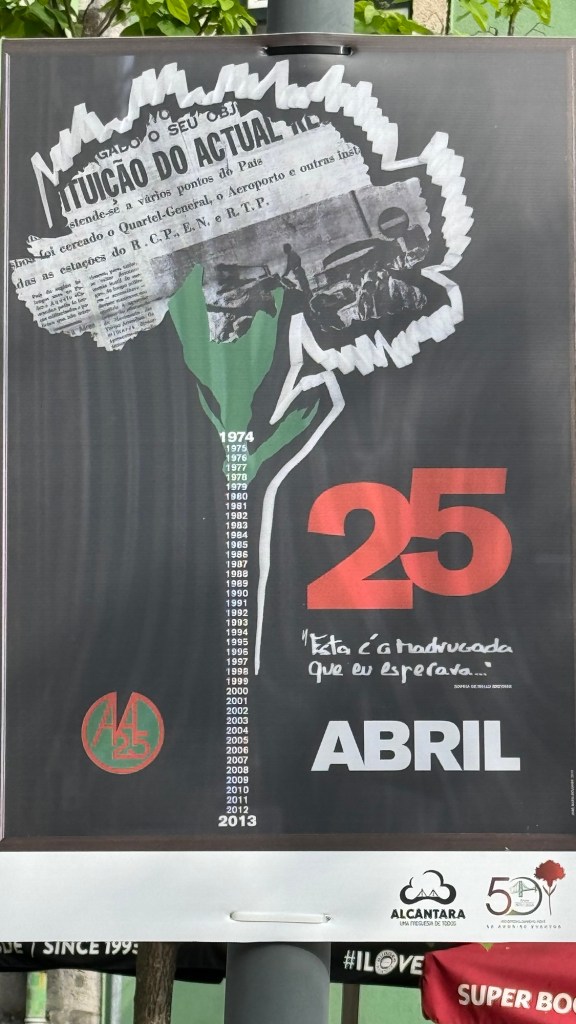
Poster advertising commemoration of 25 April revolution- 1974

We had to do our research on the revolution since so many posters referred to it as the Carnation Revolution. It is now celebrated as Freedom Day since the peaceful revolution where soldiers had carnations in their rifles as a mostly peaceful act took down the dictatorship that had been in power for many years. This year is the 50th anniversary of the shift to democracy that came out of that day,and 25 April, 50 years of freedom has all sorts of celebrations . Sadly we will miss them. The posters were everywhere and quite varied in their presentation.

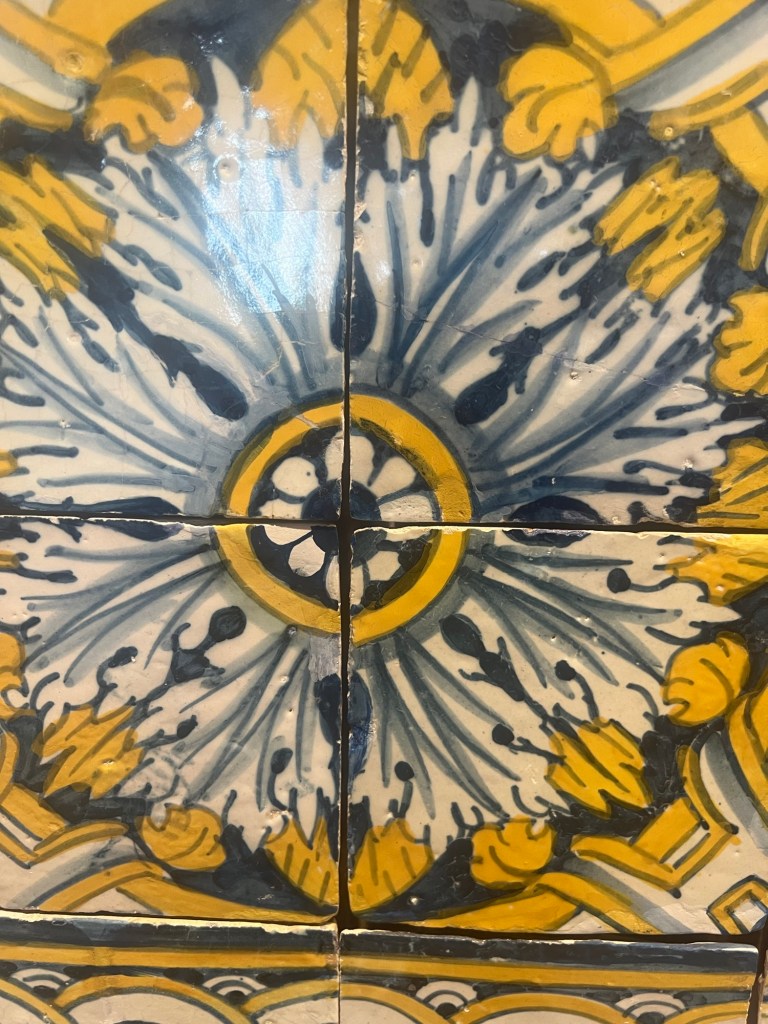
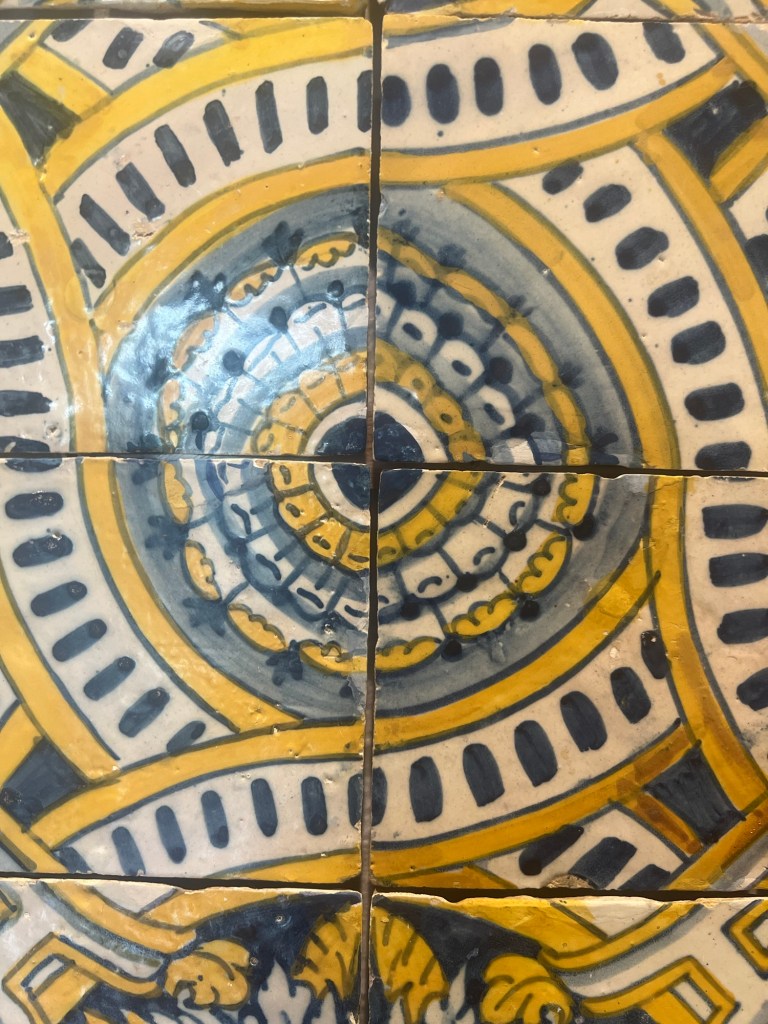
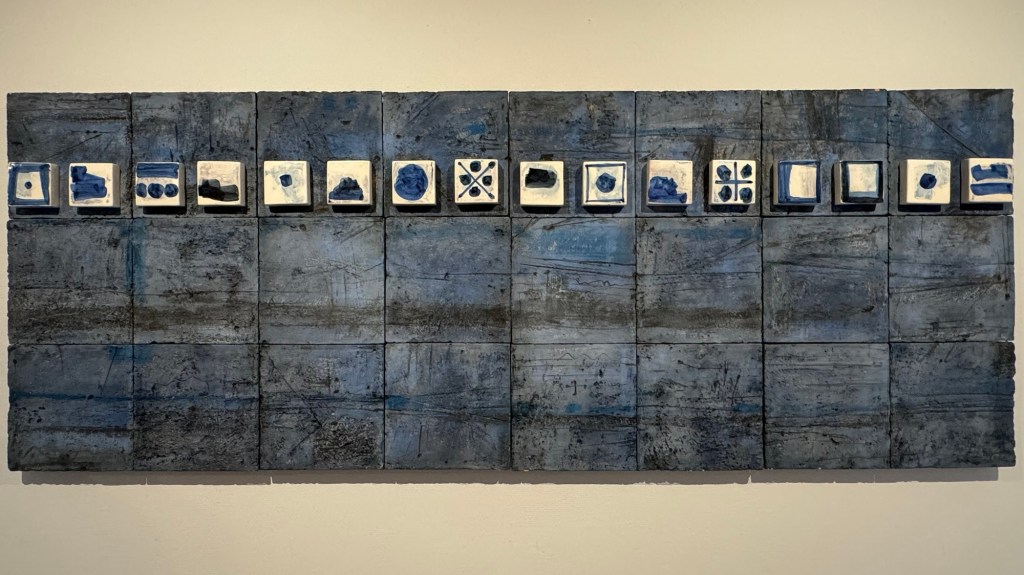
Will had the idea for us to go to the National Tile Museum on Friday afternoon when we got in from Funchal. We found a bus to take us down towards a more industrial part of the city, across from which we could see containers of all sorts of goods being loaded and unloaded from/to container ships.

The museum is in an old building that was once home to nuns, and there’s a church inside with remarkable marble, tile and ornate gold painted wood fixtures and frames. One thing I learned from the guide I listened to on my phone is that much of the gold painted frames and woodworks could be painted by melting a few pennies. The coating of the gold is that thin!

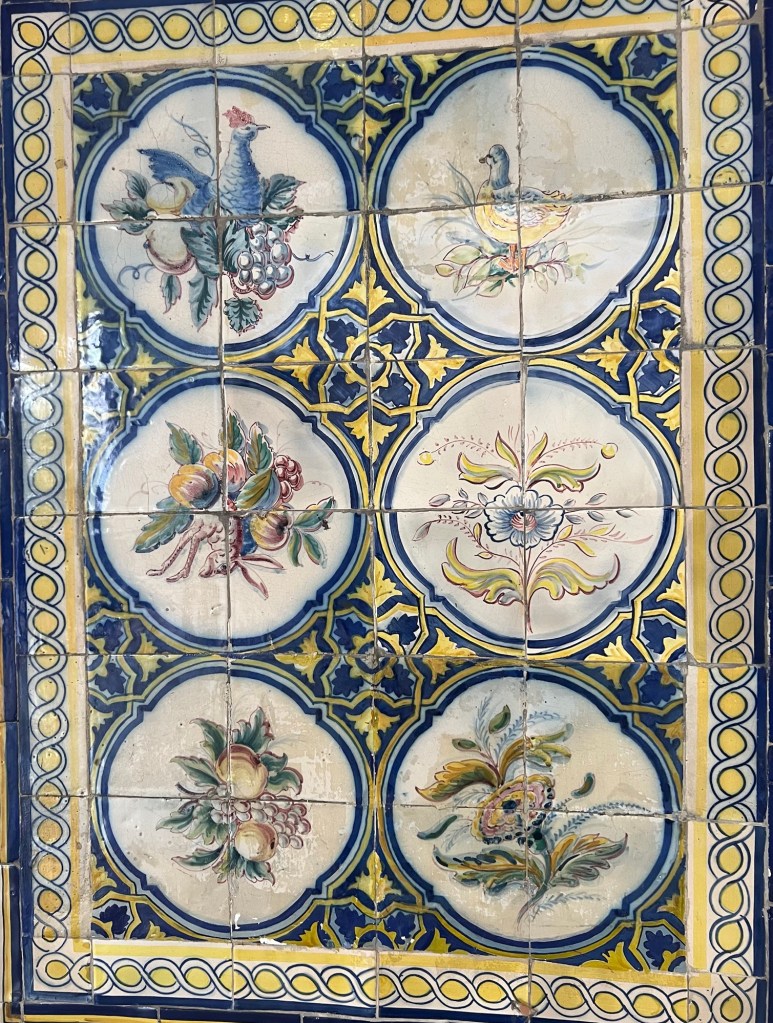
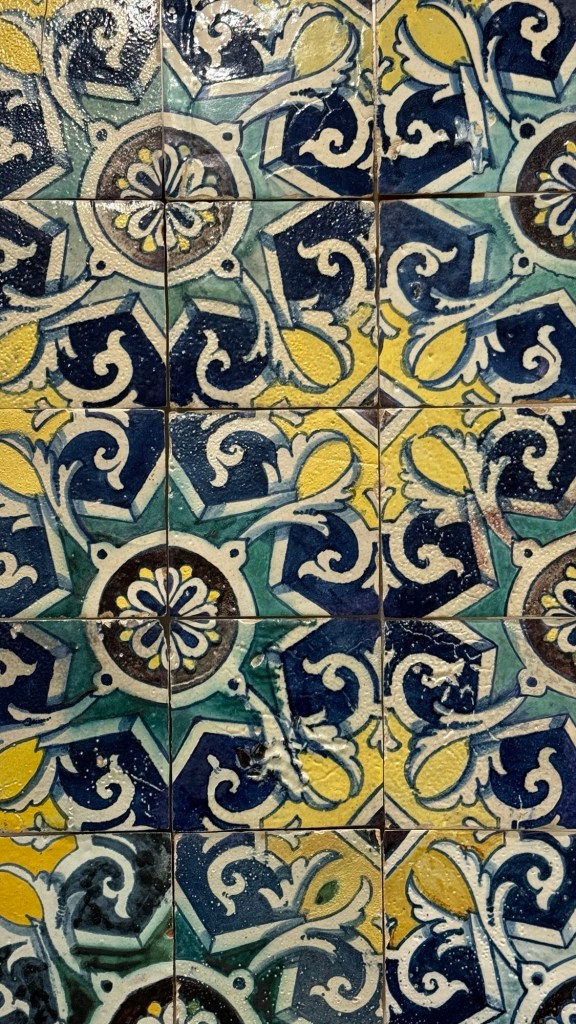
Anyway, it was a very cool museum, really worth the trip to see and learn some history. And it also makes the ubiquitous tiles around the city seem even more special and artistic in lots of varied ways.

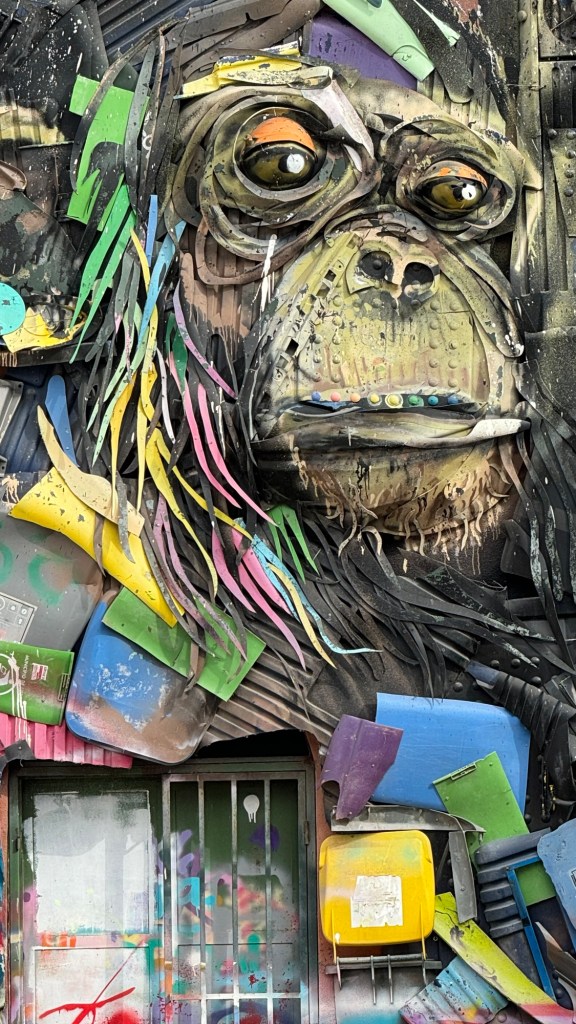
Before we got back on the bus, Will led us to another art installation he’d read about.

Bigger than life Gorilla made from plastic and ‘trash” mostly

We had some lovely encounters with people in Lisbon- one with a young Dutch guy now living in the city as an intern, I had another with a man who’s from Bangladesh who shared his hopes his company will help him stay. We met several Brazilians who’d come to Lisbon for better work possibilities..

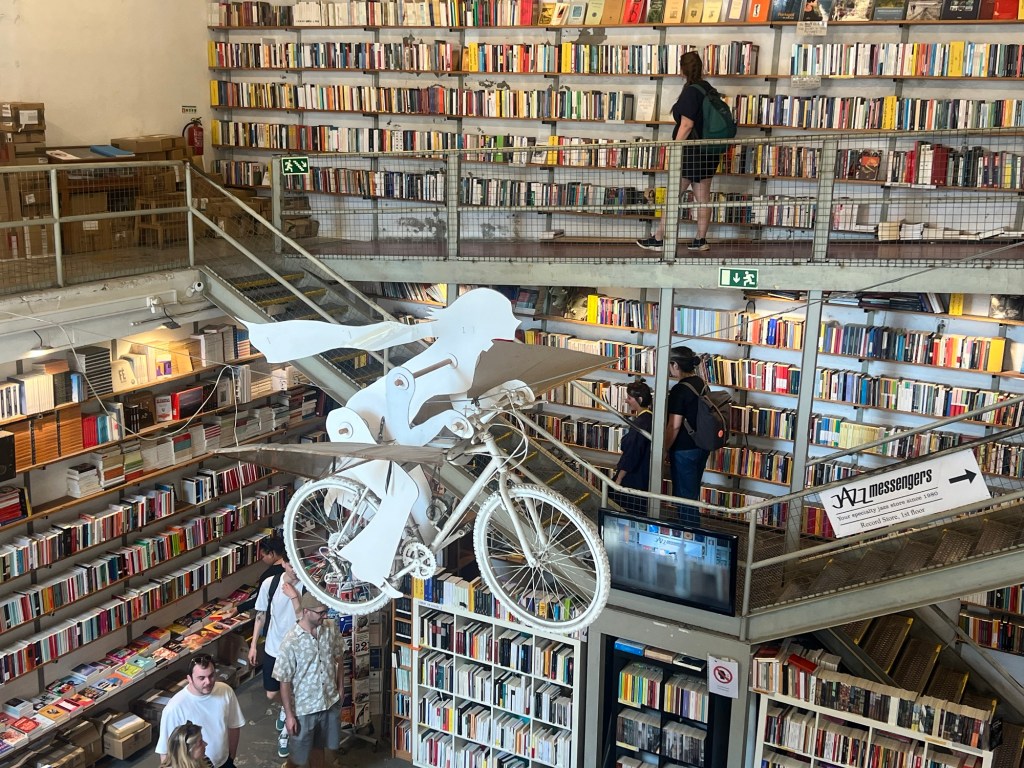
Bookstore in LX Factory

We spent Sat afternoon roaming around this old Industrial complex that we’d visited 5 yrs ago when it seemed to be just coming together. LX FACTORY is now a a blend of amazing artisans and offices for artists, jewelers, tech folks as well as other creative folks. There are also shops of gorgeous handmade things from pottery to leatherwork, a small shop dedicated to origami made by two young origami expert artists, clothing and this incredible bookstore shown in the photo above. The grafiti outside the buildings is as artistic as any painting in a museum.

Zoom in on that poem- wow!

I’ll quit here. You get the gist: Lisbon is filled with art, artists, beautiful vistas that stretch up narrow steep streets, mysteries that come out in their music and art. It’s definitely a place we plan to visit again, and maybe again.

More about Madeira

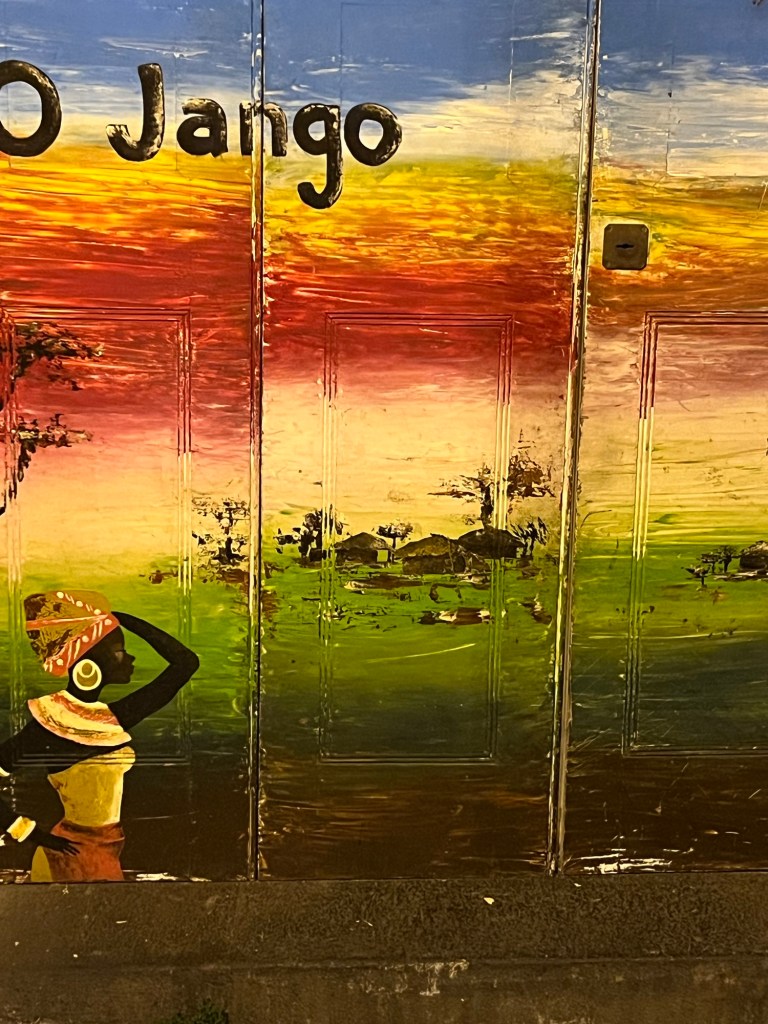
One of many painted doors on Santa Maria St in Funchal

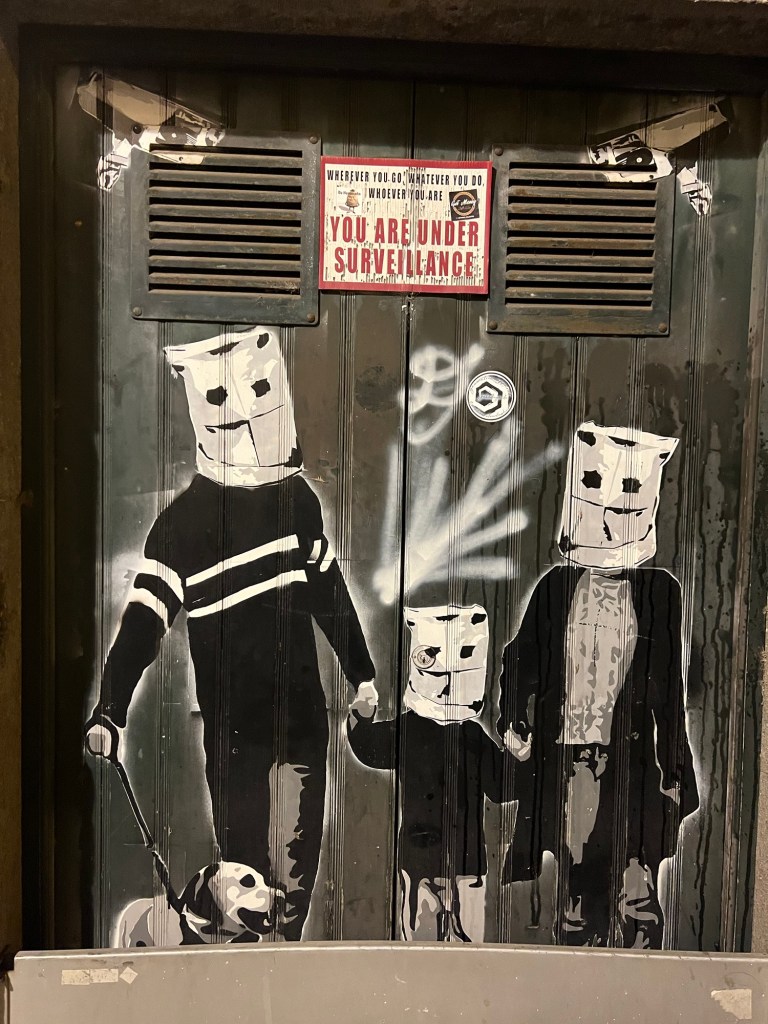
We walked through Santa Maria street late one night on our way back to our house. Even though it was late, there were lots of people out, and many sitting at tables still having dinner. Will and I both stopped often to photograph doors with intricate or simple paintings, poems and other embellishments.

We’d already eaten but there was a bakery still open at 11. I got a soft coconut cookie that hit the spot. The next night we returned to the painted doors street and sat down to eat at a restaurant table perfectly placed in the narrow street to people watch as we ate. The restaurant staff were efficient and friendly, carrying plates over to show each table the fresh fish of the day. I liked watching families and couples as they walked by inspecting diners’ choices; it was a challenge to figure out where people were from, especially with so many accents and languages floating around. Will had octopus one night- very delicious he said, too lifelike for me. The bolo do caco bread that comes with most meals is really good- somewhere between an english muffin and bread.

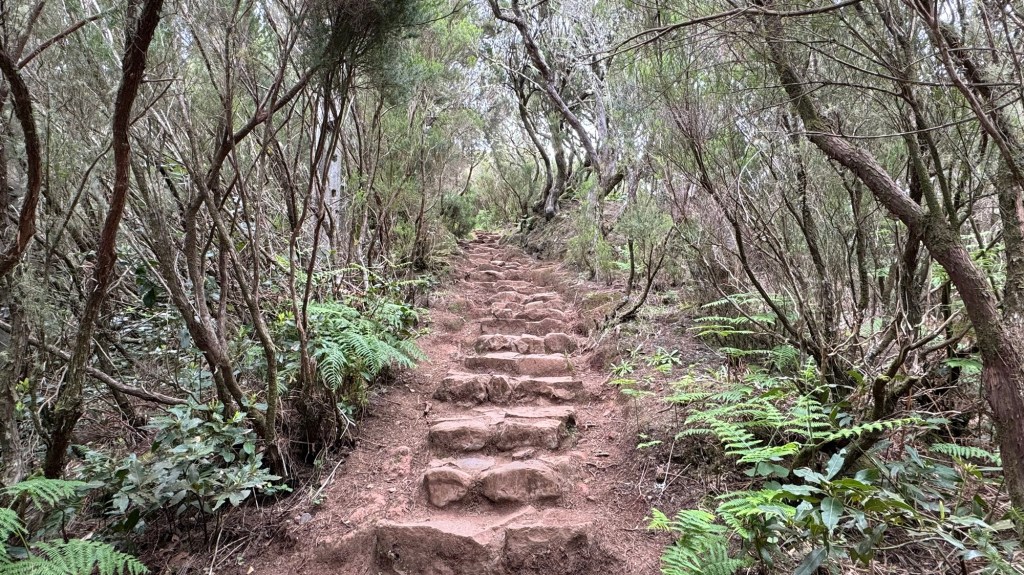
Stone steps down to the levada path to Risco

After all our good meals of the early week, we drove high into the hills to find our way to walk one of the many Levada walks. Levadas were contructed years ago as irrigation channels to distribute the water from springs and other sources from the top of the hills and mountains to lower parts of the island. The walks vary in hiking ability and intensity; we chose one that was moderate in it’s difficulty and would take us to a waterfall. However, the way to get to the trail was all downhill, so the return was a .75 mi of pretty much straight uphill. Good thing we’d done so much hill walking in Funchal to get in shape! The area we hiked in had a lot of eucalyptus and and the laurel trees of the Laurissilva Forest. In the past, much of southern Europe had Laurissilva Forest but now Madeirs is home to the largest remaining part.

The view at the start of the hike to the levada
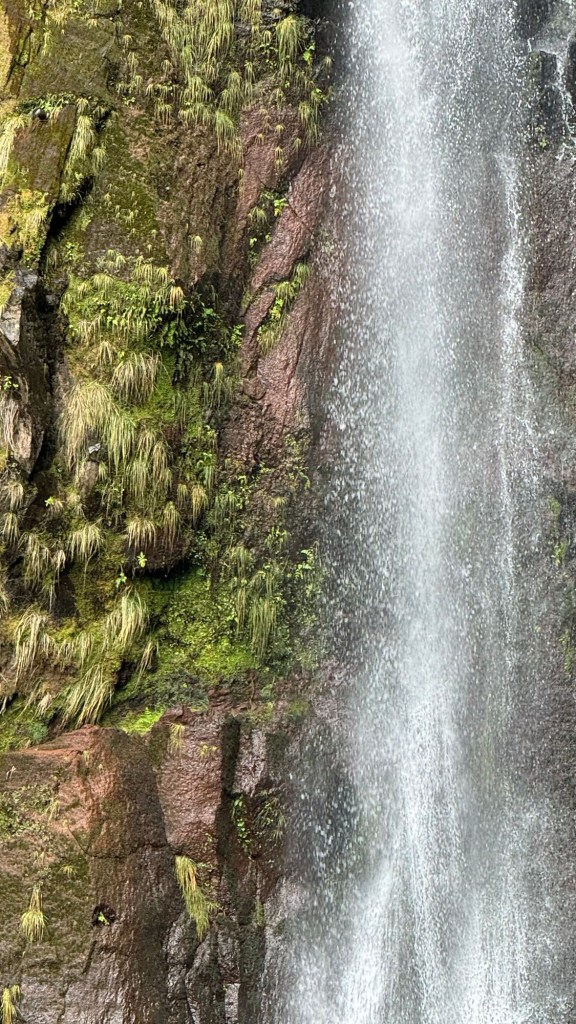
Waterfall at the end of our walk in

There were so many cars parked around the top of the trail head; it felt a little like being in Acadia on a busy weekend. At the place where the 2 trails/levada walks begin, there is a stone house with bathrooms and cakes, ice cream, etc. And then on the trails, everyone disperses so it didn’t feel so crazy crowded as we thought it might. The fog from the ocean had risen up to cover the top of the hills where we began, making it dark and cold. By the time we reached the trail, the sun was poking through and it was back to being warm. There are many more levadas we’d like to explore the next time we head to Madeira.

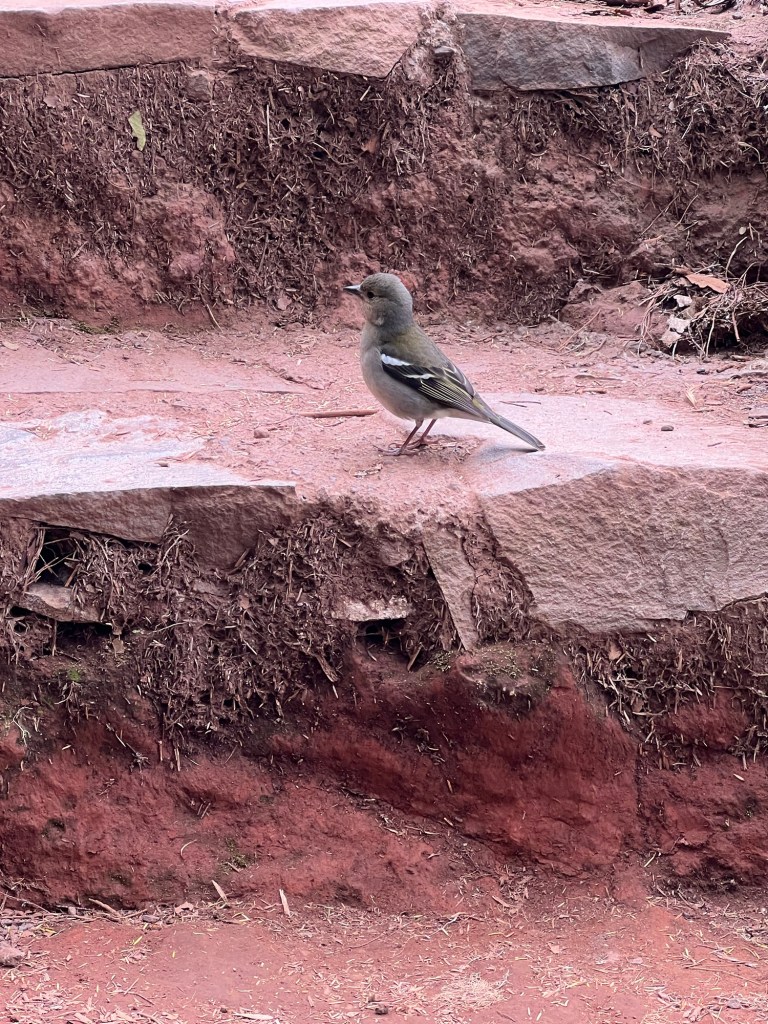
Common chaffinch were all over begging crumbs or accompanying us on the trail
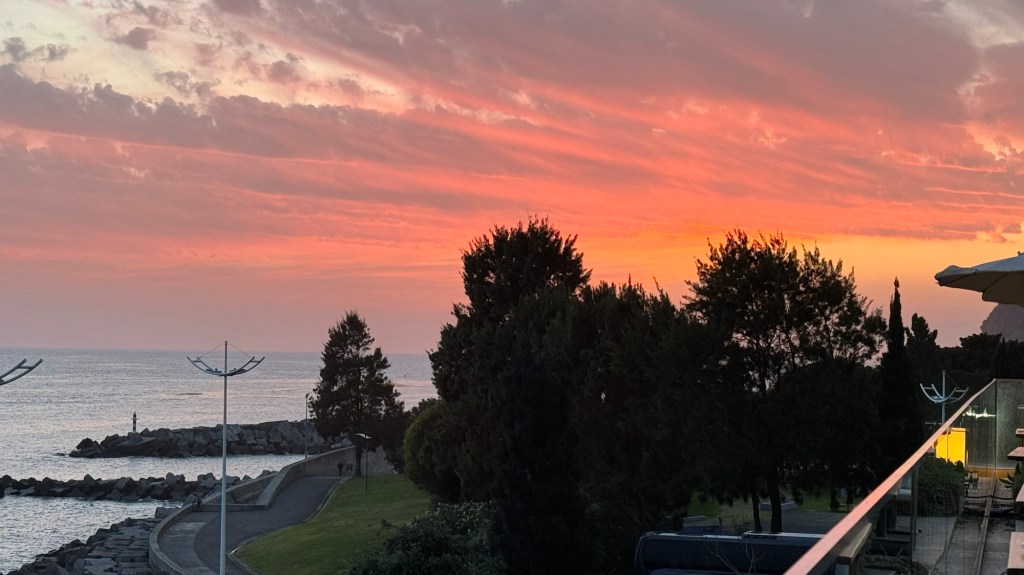
We made it down to the coast in time for a good meal and beautiful sunset

We’ve begun a list of other hikes, natural piscinas and parts of Madeira to explore on our next trip there. The weather was so sunny and warm; but we we’re excited to have some time in Lisbon-another favorite place.

Madeira, Portugal: home of very steep hills, many tunnels, flowers, flowers, flowers, super steep roads to climb, and home to Cristian Ronaldo.

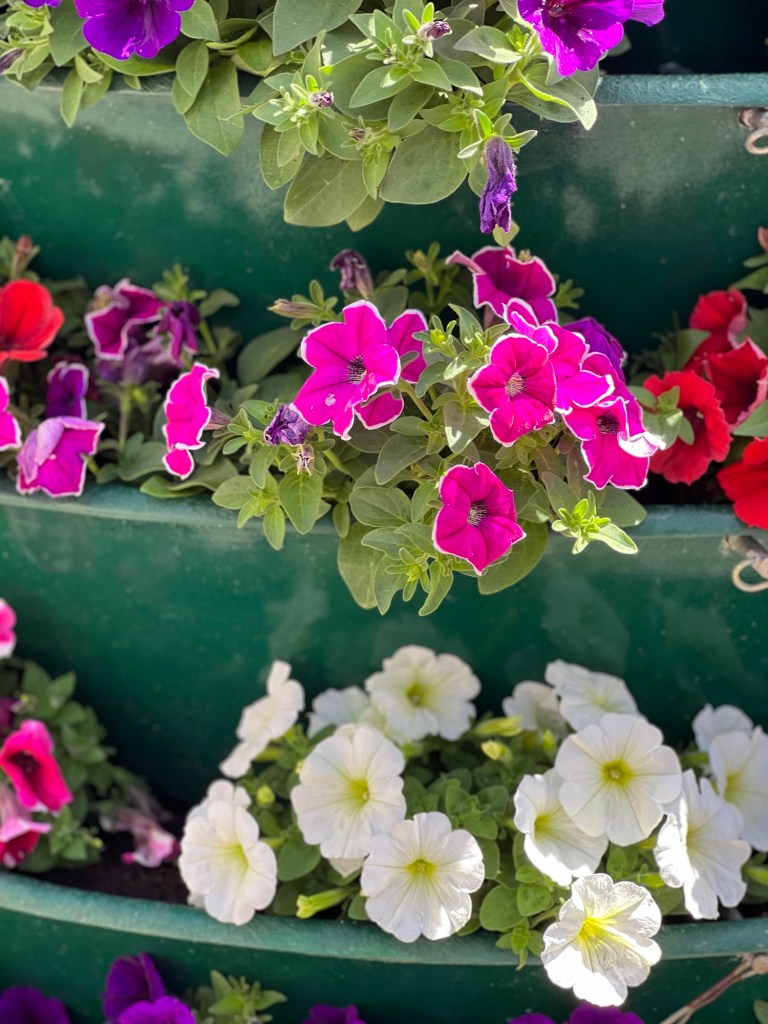
Petunias!
Arum lilies? I thought they were calla lillies

It’s a long flight journey from Boston to Funchal Madeira, with a lay-over of a few hours in Lisbon airport where my brain decided I just had to sleep. We made it to the island late Friday morning after easy flights and a good snooze in the Priority Lounge (thank you Christopher for turning me on to these credit card perks!). Will and I had rented a house up one of the very many steep hills from the old part of town, and found our way there easily. It felt like we immediately entered summer. Funchal is a beautiful city sprawled up and down the hills that rise up from the port where fishing boats and cruise ships come in. Madeira is pretty tropical all year, but apparently the weather was unusually warm this week so all the trees and plants ramped up big time. And everywhere we looked, people of all ages were getting in the water.

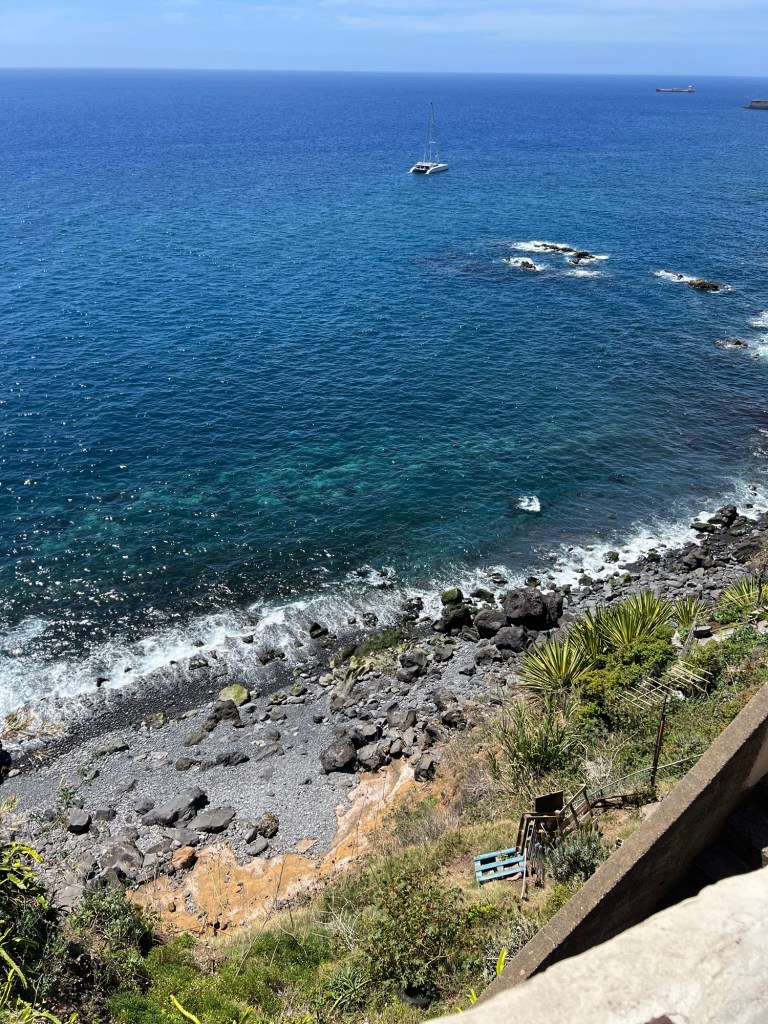
The beach just down the road

We headed to the beach nearby, down a rickety stair made of concrete in some places and nailed on boards in others. The water was clear and cool- a mere 69 degrees compared to the 40-s we’ve been hitting at home. There was another ‘piscina’ as they call it a little further down the road where we could pay 5 euro each, change in the dressing rooms and lay out on the concrete around the volcanic edged pool. Another pretty heavenly place to swim and let go of the work and the busy world we quickly stuffed into our suitcases.

Barreirrinha Bathing Complex

We found lots of other public swimming all along the water in Funchal during our week there. The weather was so summery, , and it was too hard not to go? Too easy to go? swimming every day or even twice a day. All along the harbor, people are getting in, changing behind towels their friend or family holds up for them. We found spots by the Yellow Fort where fisherman store their boats, old dogs laying underneath in the shade, and many locals laying in the sun with tans so dark like I haven’t seen in years. Other folks serenely swimming across the calm water that is protected from the waves by the concrete barriers built some years ago. The swimming was a good balm to our sore legs that came from walking anywhere in the city of many many hills. The whole island is volcanic land, and so is quite hilly by nature (hence the need for the incredible engineering feats of creating tunnels through mountains and hills.) The first day on island we walked about 9 miles, first to go pick up our rental car, and then to walk around town exploring after we parked the car.

Here’s another view of Barreirinha
1 of the 150+ tunnels on the island

We drove across the island one day to Seixal, a town with a natural pool on the Western side of the island. The roads are super windy, and STEEP- never got out of 2d gear driving a manual shift until the top of a hill is reached. The scenery is stunning the whole way with tiers of gardens and houses rising along the road. Roads and tunnels take drivers through, and over, mountains that look impassable to arrive at more intoxicating vistas.

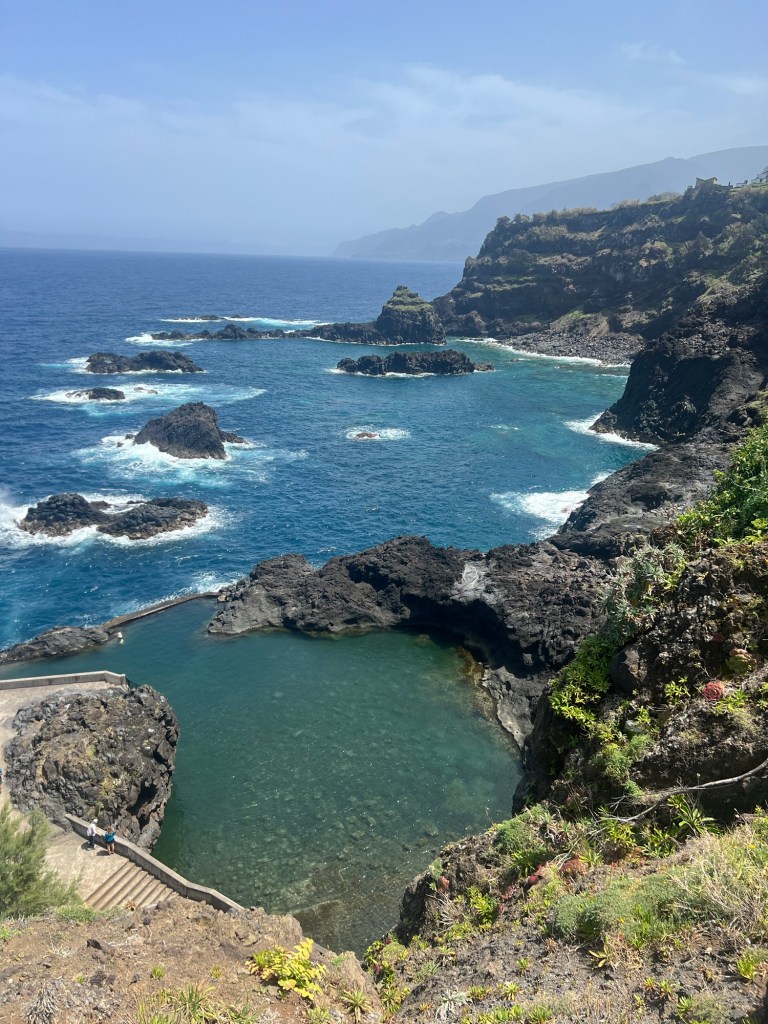
Seixal natural piscina
Another pool at Seixal

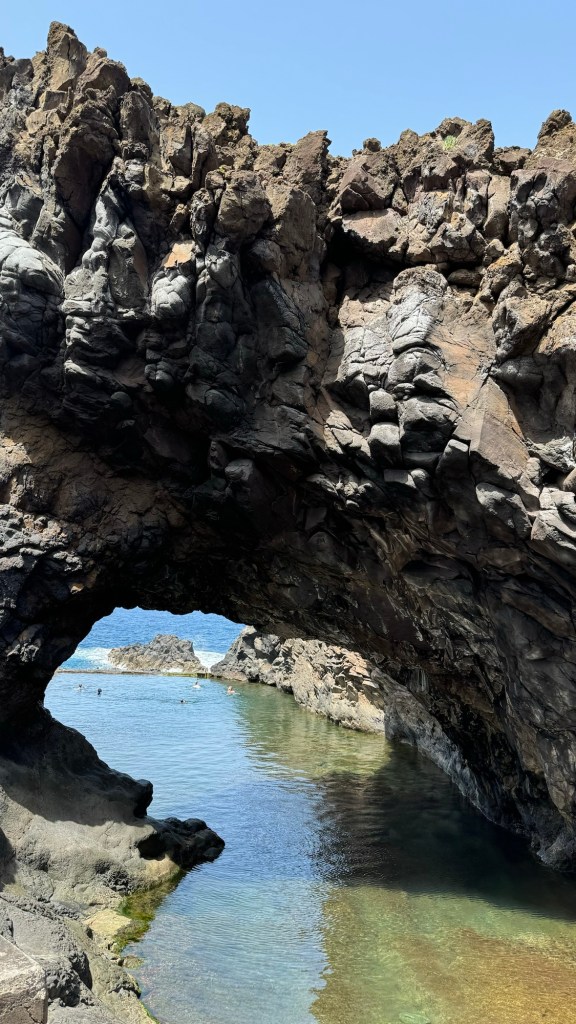
We found parking at a precarious angle behind another car, a good idea given that the road doing down to the pools was pretty much straight down. We walked it, shins screaming a little, but ready to get in the clear water. There were a fair number of people there, laid out on rocks or rocky beach, and just enjoying this incredible place of nature. Will and I both swam, in both pools, and snoozed in the sun between swims. During our last swim, the tide was coming in, crashing on the outer rock barrier to send fresh water into the pools.

Here’s another peek as we climbed the hill to the car to leave.
Teleferico to Monte

One day we climbed the hills of Funchal by taking the cable car (Teleferico do Funchal). The cars take up to 6 people with 3 seats facing uphill and 3 facing down. I chose an uphill seat and Will faced down the hills towards the sea and Funchal. . It was an amazing ride up, very quiet and smooth, giving us a bird’s eye view into houses, gardens and ravines.

Will’s great shot of 2 tunnels from the cable car
Will’s video

When we arrived in Monte, it was even hotter than down in Funchal. We toured the palace gardens, sat in the shade to eat ice cream and admired the many birds and flowering bushes we saw.

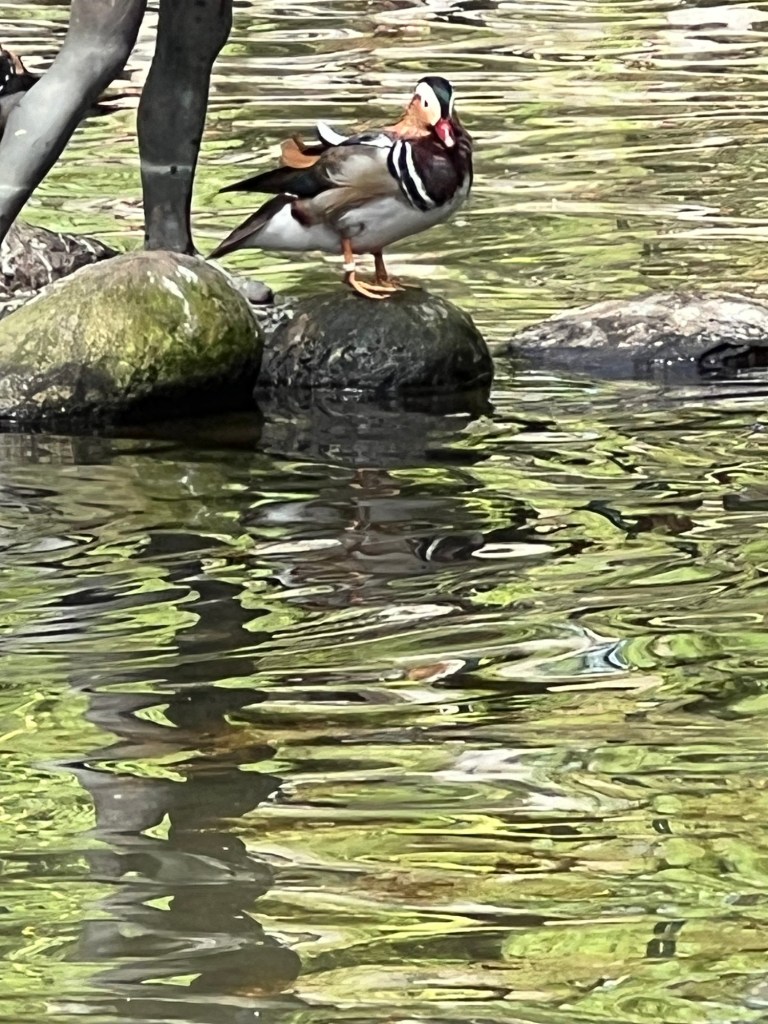
Mandarin duck
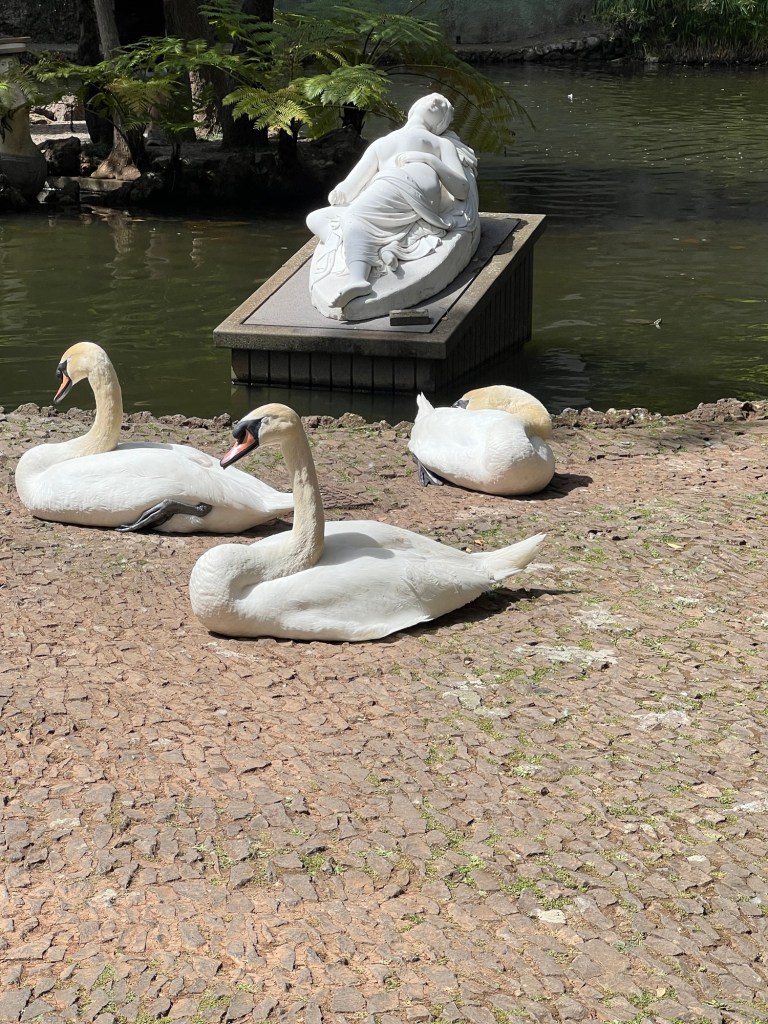
Swans guard a lovely statue

Sad to say, we weren’t able to get one of the Monte toboggan sled rides part way down the hill because there was a wedding party. We waited for the public bus with school kids and older folks returning from shopping or work, and it was a far more interesting ride for people watching in the air conditioned bus!

More to tell about. art and food in next blog. Obrigada (thanks) for reading
Beach and Bike Week on Texel in North Holland

I’ve written a lot about Texel, so I will make this short and tell more with photos to illustrate why we keep returning there. All the people we meet are kind and friendly, curious how we found their island (Lonely Planet). The bike shop guys knows us now and gives a a bit of a deal on our weekly rental. In turn, we leave him treats to find in the saddle bags when he picks up the bikes when we leave. The combination of farm, beach, wide open spaces and flat roads to ride gives us both a lot of time to take it all in as we cruise along. Strong farm smells, wind and warmth of the sun, great food to taste- it’s rich.

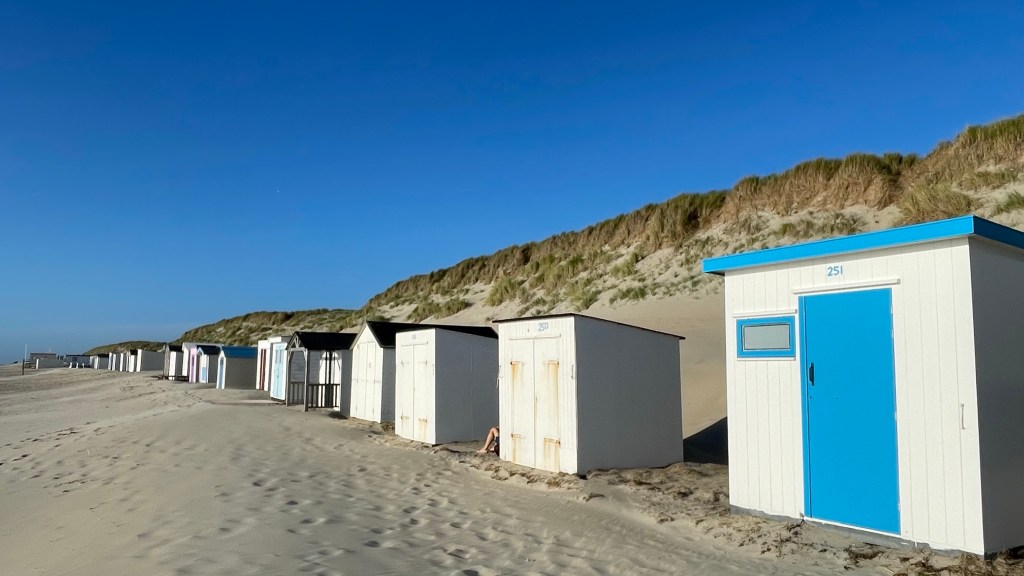
Long flat beaches on the Western side of the island— the North Sea was pretty warm this year
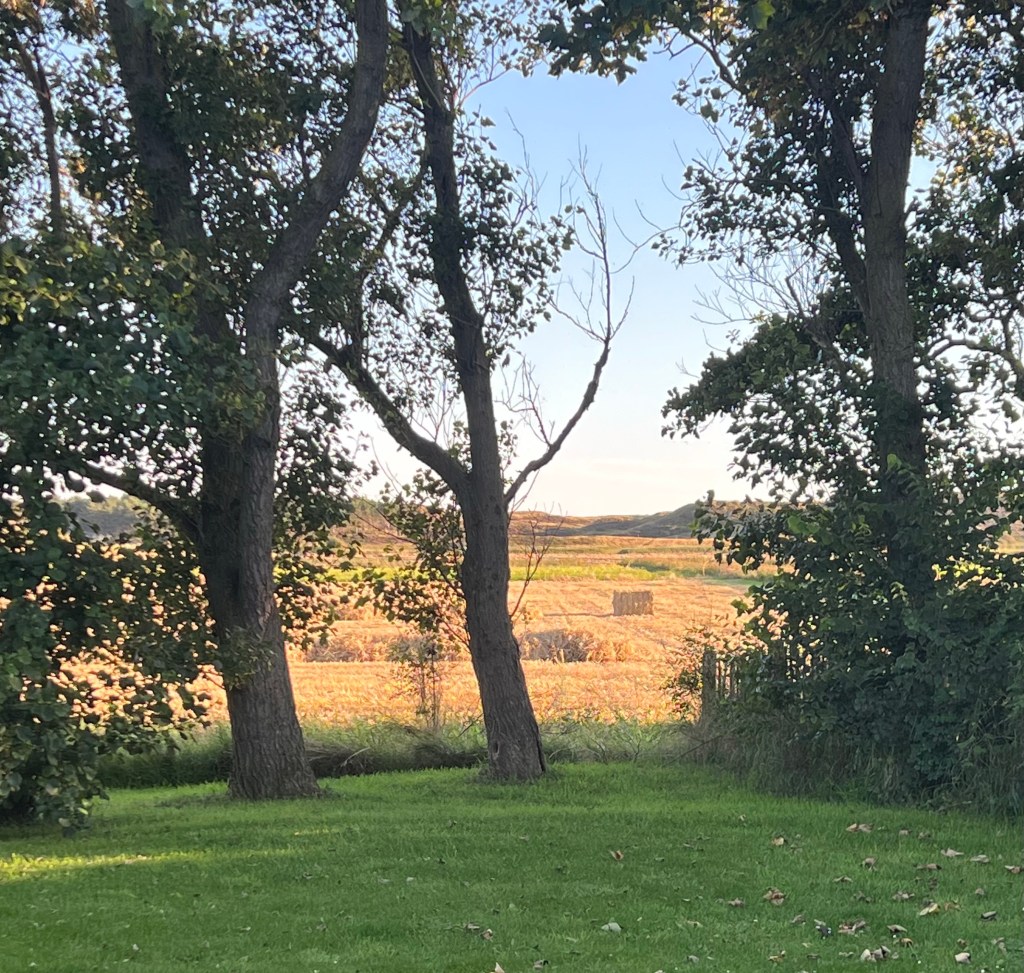
View from our rental house to the field being hayed next door
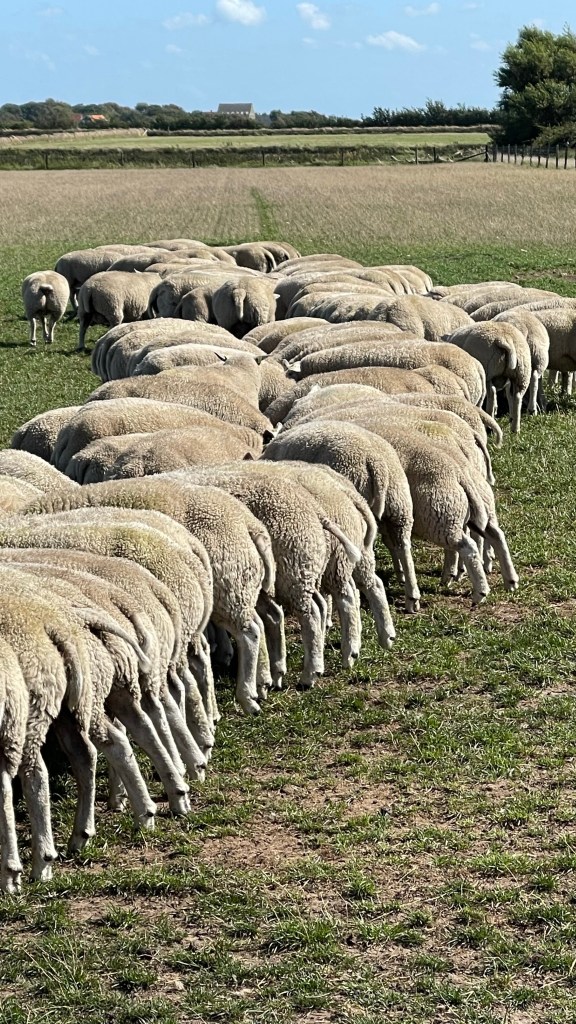
Sheep butt line up as we biked on Sunday
Sunflowers are all over the edges of fields, but this whole field is just amazing
Automated ice cream cone filler on the edge of a farm! So cool
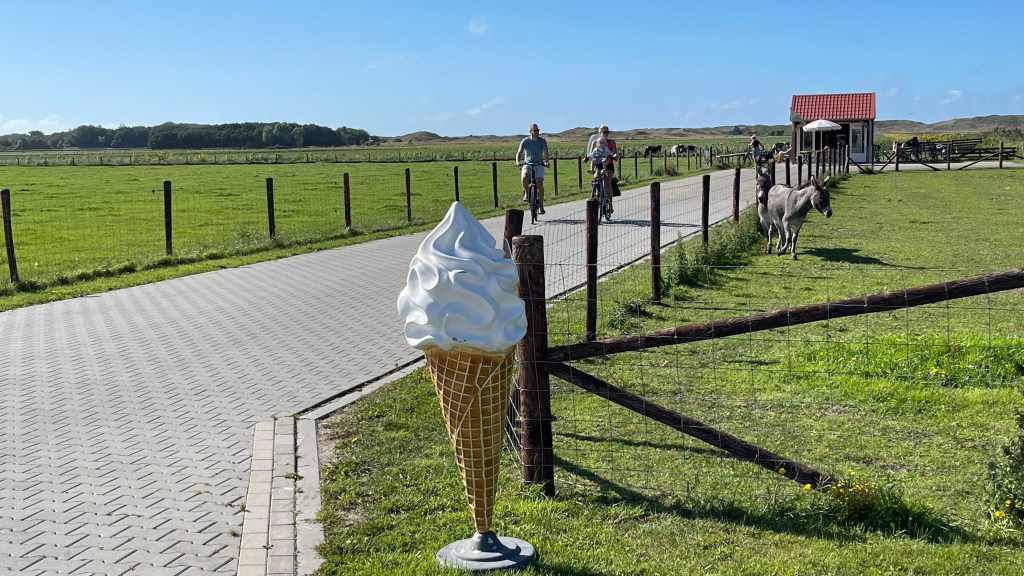
Perfect way to get bikers to stop for ice cream
Every day we’re on Texel, we see large murmurations of birds over these dunes or farmers’ fields. Large grey geese who are noisy to start, then settle in all facing the same direction. European starlings that swirl and swoop in large formations, and then disappear as the light fades.

Another good week on Texel. So much beauty to absorb and carry away in our memories and hearts. Lucky us- and we’re grateful.